

World Egg Conference: health trends point to strong future for eggs
Published on : 21 Apr 2026
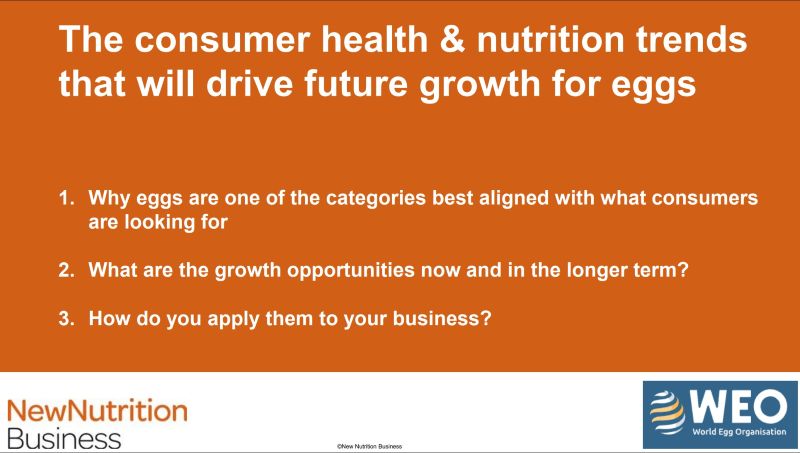 Julian Mellentin, Director and Founder of New Nutrition Business, UK, and the final presenter at the World Egg Conference, delivered a notably upbeat assessment of the sector’s position, arguing that eggs are not chasing trends but already sit at the centre of them.Framed around the question, what are the consumer health and nutrition trends that will drive future growth for eggs?, his analysis focused on how long term shifts in consumer behaviour, rather than short term fads, are shaping the future of food. Drawing on more than 20 years of global trend tracking, he emphasised that the industry should concentrate on developments that will persist for at least five years, not those that peak and disappear.At the core of his argument is the changing way consumers think about food and health. Access to information has fundamentally altered behaviour. Social media is now the primary source of diet and nutrition insight for many consumers, particularly younger groups, with AI tools quickly emerging as an additional influence. This has led to a fragmentation of beliefs, with individuals increasingly constructing their own dietary approaches rather than following a single set of guidelines.Within that fragmented landscape, eggs benefit from repeated positive reinforcement. Influencers, nutrition specialists and fitness figures are consistently promoting whole, natural foods, often using eggs as a reference point for balanced meals, satiety and stable energy. The shift away from institutional authority towards peer led and expert led digital content is therefore working in the category’s favour.Protein remains the dominant nutritional driver. Mellentin described it as the most important growth trend of the next five years, with demand continuing to strengthen across global markets. What is particularly notable is that the growth is concentrated in animal protein rather than plant based alternatives. While plant proteins retain a place in whole food formats such as beans and pulses, highly processed protein isolates have struggled to meet consumer expectations around taste, naturalness and functionality.
Julian Mellentin, Director and Founder of New Nutrition Business, UK
He was blunt when asked about the longer term impact of plant based alternatives, suggesting they have had “almost zero” effect on animal protein demand over the past decade, with heavy investment failing to translate into sustained consumer uptake. In many markets, plant based categories have plateaued or declined, reinforcing the position of traditional protein sources.Eggs are consistently ranked among the most preferred protein sources by consumers, alongside meat and ahead of many dairy and plant based options. This preference is reinforced by a combination of factors: familiarity, taste, ease of use and perceived nutritional completeness.Market data presented during the session illustrated how strong that demand remains even under pressure. In the United States, egg sales increased in both value and volume during a period of supply disruption and price inflation, with volumes still rising despite higher retail prices. This behaviour indicates a degree of resilience that is not always seen in other protein categories, suggesting that eggs are viewed as a priority purchase rather than a discretionary one.Mellentin also traced the evolution of the protein trend itself. What began as a niche linked to sports nutrition in the late 1990s has steadily moved into mainstream consumption. Scientific research in the early 2010s linking protein to sustained weight management played a key role in accelerating this shift, with media coverage and product innovation reinforcing the message over time. Today, protein is embedded across categories, from dairy to snacks and ready meals, and is used as both a health signal and a justification for indulgence.A further development now emerging is the concept of protein quality. While consumers currently focus on how much protein a product contains, industry is beginning to introduce messaging around how effectively that protein is absorbed and utilised by the body. Eggs score highly on recognised measures of protein quality, placing them alongside the strongest performing animal proteins. Although this remains a longer term communication opportunity, it represents an additional layer of value that has yet to be fully exploited.Convenience is another area where the category is expanding. The growth of protein snacking, particularly in meat based formats, has demonstrated the scale of demand for portable, ready to eat products that deliver clear nutritional benefits. Retailers are increasing shelf space for these items, and major brands are entering the category with simple propositions built around protein content, low sugar and natural ingredients.Eggs are beginning to follow a similar trajectory. Ready to eat formats such as peeled egg snack pots have gained significant traction in the UK, with strong sales growth and repeat purchase rates. These products meet the same criteria as successful meat snacks: convenience, simplicity and a clear protein message.However, Mellentin suggested the next step is to move beyond single item formats and think more broadly about how eggs are presented to consumers. Drawing comparisons with the success of dairy snack packs, he pointed to opportunities to combine eggs with complementary ingredients such as nuts, fruit or other components to create more complete meal or snack solutions, particularly for out of home consumption.The use of eggs as an ingredient also featured prominently. Mellentin highlighted the success of products such as egg based wraps and pasta, which combine convenience with high protein content. This approach mirrors the strategy used by the dairy sector, where protein has been successfully integrated into a wide range of categories. Expanding the use of egg protein in other food formats offers a route to creating value beyond shell egg sales.Another important theme was metabolic health, particularly in relation to the rapid uptake of GLP 1 weight management drugs. These treatments reduce appetite but also create specific nutritional requirements, including increased protein intake to offset muscle loss and a greater need for nutrient dense foods due to reduced overall consumption. Eggs align closely with these needs, providing a compact source of protein and essential nutrients without added sugars or complex formulation.At the same time, perceptions of fat are changing. Younger consumers are increasingly accepting natural fats as part of a healthy diet, moving away from the long held view that all fats should be avoided. Eggs are benefiting from this shift, being seen as a source of natural fats alongside products such as nuts and olive oil.Mellentin noted that while some concerns remain, particularly among older consumers who have lived with decades of messaging around cholesterol and fat, younger audiences are far more receptive to eggs as part of a healthy diet. He suggested that efforts to shift perception are more effective when focused on these younger groups rather than trying to reverse long established beliefs.Sustainability and ethical messaging continue to play a role, but the presentation reinforced that they are rarely the primary driver of purchasing decisions. While NGO campaigns and environmental narratives influence debate, consumer behaviour is ultimately shaped by taste, price, convenience and perceived health benefits. Animal welfare, however, remains a more direct and influential factor in shaping retail standards and production systems.Across all of these themes, a consistent pattern emerges. Consumers are prioritising foods that are natural, recognisable, nutritionally functional and easy to incorporate into daily life. Eggs meet these requirements without the need for reformulation or heavy processing. Their strength lies in the fact that they already deliver what many newer products are trying to replicate.Mellentin also pointed to nutrient density as an area likely to gain importance in the coming years. While not yet widely understood by consumers, it reflects a growing focus on getting more nutritional value from smaller portions, particularly in the context of changing eating habits and reduced calorie intake.He added that creating additional value in the category will depend less on competing directly on price and more on developing formats and propositions that appeal to consumers willing to pay for clear nutritional benefits, particularly within sports, fitness and health focused segments.