

White Laying Flocks in the UK: What Producers Are Reporting
Published on : 21 Apr 2026
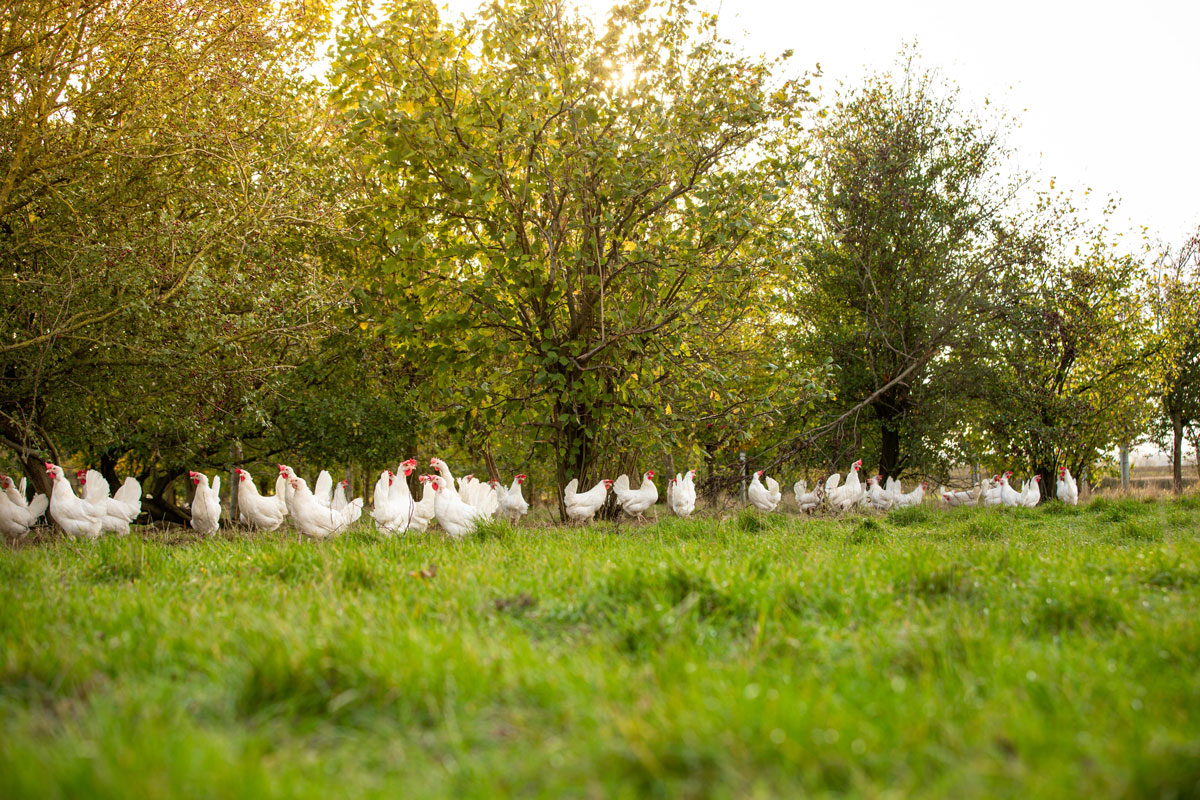
White chick placements have reached approximately 15% of the UK national flock
A recent LHWF survey of pullet rearers and egg producers provides insight into the management, performance, and behavioural characteristics of white laying flocks in the UK, highlighting increasing experience and emerging industry trends.White chick placements have reached approximately 15% of the UK national flock, reflecting a gradual but notable shift within the laying hen sector. While the UK remains predominantly a brown egg market, interest in white laying flocks has increased in recent years, influenced by changes in supply chain requirements, production efficiency considerations, and evolving on-farm experience.In response to this shift, a survey was conducted by LHWF to capture the views and experiences of pullet rearers and egg producers currently managing white laying flocks in the UK. The aim was to gain a clearer understanding of practical management approaches, along with perceived differences in performance, behaviour, and welfare outcomes under commercial conditions.Global and Market ContextAlthough white laying flocks remain a minority in the UK, their presence sits within a broader international production pattern where brown and white egg production are more evenly balanced. Globally, egg production is approximately 50:50 between brown and white, with white shell eggs outweighing in countries such as the United States, Canada, Mexico, and parts of Scandinavia.Several European countries have also shown a clear trend towards increased adoption of white breeds in recent years. The Netherlands, Denmark, and Germany in particular, have expanded white egg production, with white flocks now accounting for an estimated 65–70% of production in some regions. This shift is generally associated with perceived advantages in productivity, feed efficiency, and flock longevity.Within the UK, white birds accounted for around 15% of the national flock in 2025, with chick placements continuing a gradual upward trend (BEIC, 2025). While this remains modest in comparison to mainland Europe, it indicates a slow but steady diversification of laying hen genetics within the UK industry.Survey OverviewThe online survey was distributed via the British Egg Industry Council to Lion-registered pullet rearers and laying farms, and shared through veterinary practices, industry organisations, trade associations, and wider professional networks.The online survey generated a total of 39 responses, asking respondents 24 questions on: managing white flocks, housing systems, flock size, years of experience, health, welfare and everyday management. Respondents consisted primarily of egg producers 75%, with 15% pullet rearers and 10% operating across both sectors. The majority 95% had experience managing both brown and white flocks, while 5% had experience exclusively with white birds.Among those managing white flocks, experience levels varied: 42% had over three years’ experience, 38% had 1-2 years, and 20% had less than one year, indicating that a proportion of the sector is still in the early stages of adoption.Drivers for Adoption of White FlocksWhen asked about the reasons for moving into white birds, responses indicated a combination of commercial and operational drivers. The most common reason 42% was a contractual requirement from egg packers (Figure 1).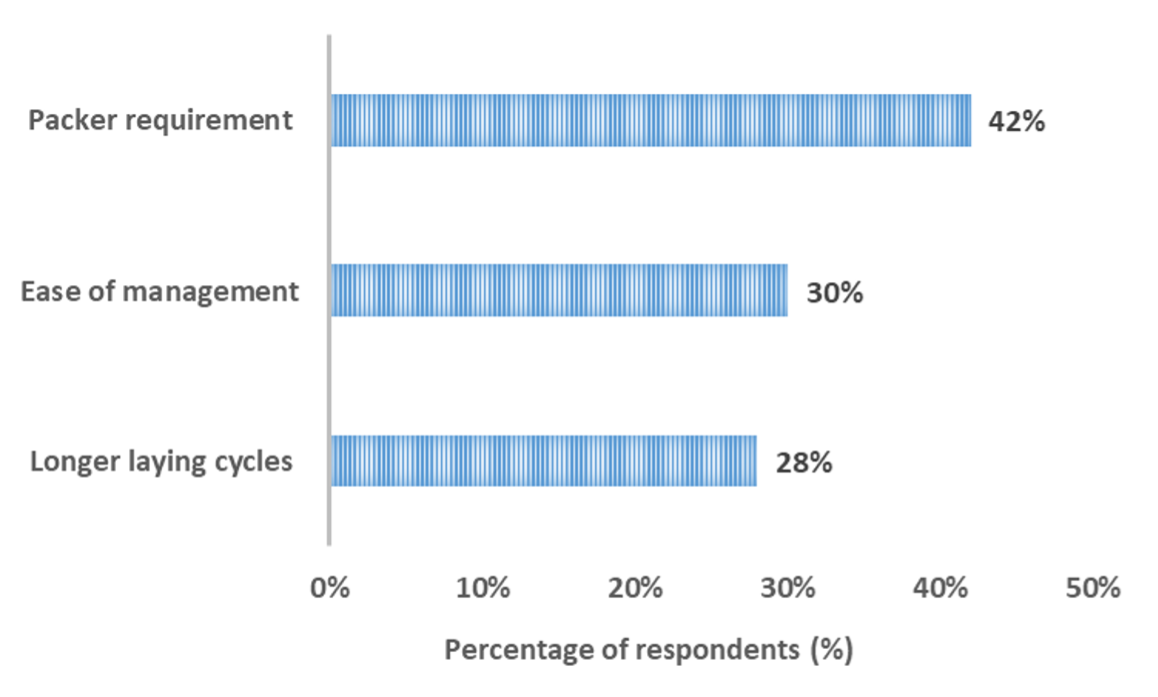
Figure 1. Drivers for adopting white laying flocks (%)
This suggests that while supply chain requirements remain influential, producer experience is also playing a growing role in the adoption of white laying hens.Managing White Flocks in PracticeA key finding from the survey was that 67% of respondents considered white breeds easier to manage than brown breeds. This perception appears to be based on a combination of behavioural observations, production performance, and overall flock consistency.When asked about preferences for managing white or brown breeds with intact beaks, or neither, more than half, 59% of respondents indicated they would prefer not to manage intact-beaked birds regardless of feather colour. Of those willing to manage intact-beaked birds, two-thirds preferred white flocks over brown (Figure 2).
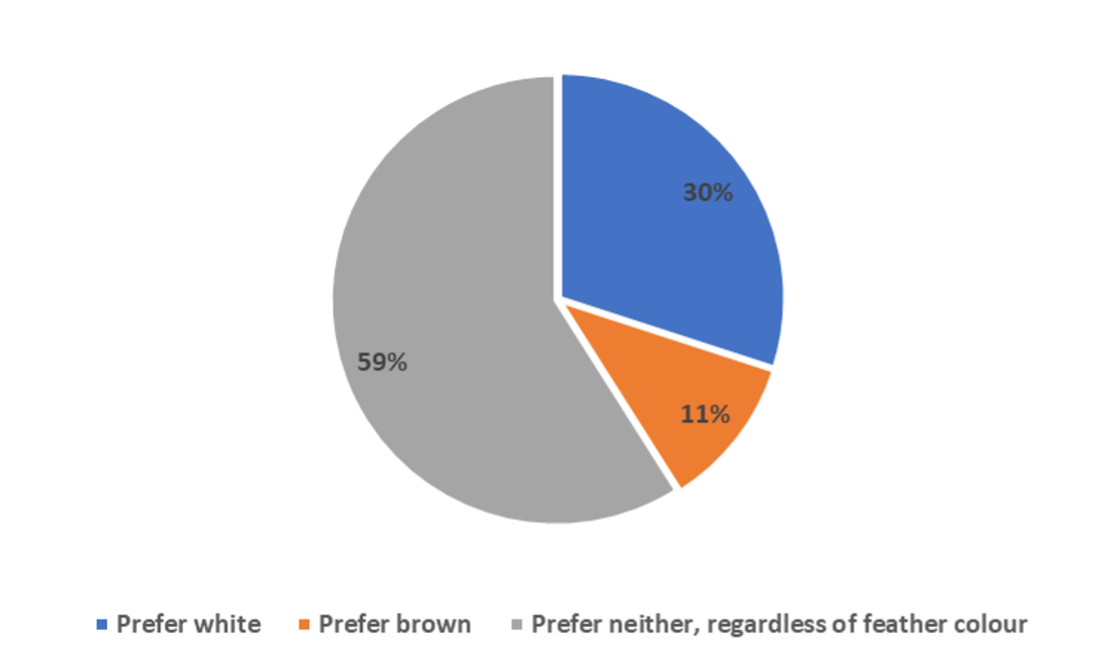
Figure 2. Preference for Managing Intact-Beaked Birds
This indicates a broader industry reluctance towards intact-beaked rather than a breed-specific issue, likely reflecting ongoing concerns around injurious pecking risk and flock control. Infra-red beak treatment remains the dominant approach in brown and white laying systems.How White Flocks Are HousedWhite laying flocks in the survey were managed across a wide range of housing systems and production scales, reflecting the diversity of commercial egg production in the UK. Multi-tier aviary systems were the most commonly reported housing type -54%, although flat deck free-range, barn, and a small number of organic and one enriched colony systems were also represented. Alongside this variation in housing, flock size differed considerably between respondents, ranging from smaller commercial units through to very large-scale operations, reflecting the range of production systems currently in use for white laying hens.Most white flocks 67% were infra-red beak treated, while 20% were intact-beaked. The rest of the respondents reported managing a mix of both. The continued reliance on IRBT reflects its role as a risk mitigation tool in commercial systems, particularly in larger flocks, where control of injurious pecking remains a priority.What Producers Are Seeing: Behaviour, Welfare and PerformanceFeather cover was reported to be better in white breeds, 78% compared to brown-feathered hens.
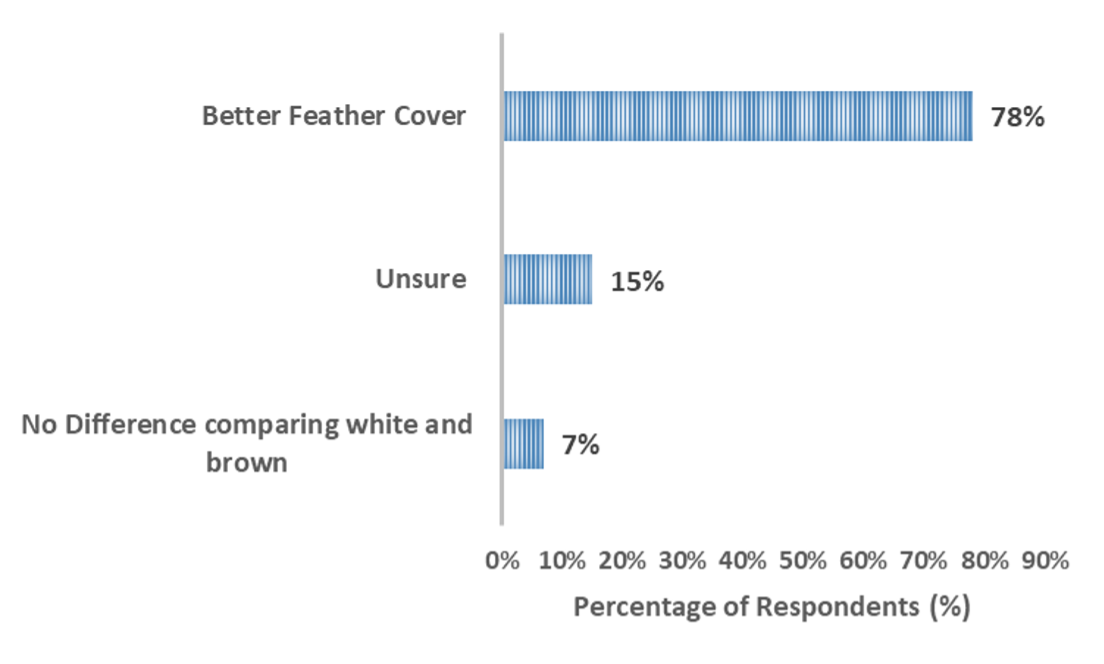
Figure 3. Producer Assessment of Feather Cover in White and Brown Breeds
A small number of respondents reported having experienced (non-feather) pecking behaviour of head and toe pecking in white flocks. Head pecking was reported in both intact and beak-treated flocks at the onset of lay, although it had also been witnessed on one rearing farm. A small amount of toe pecking was also witnessed within a few flocks. White hybrid breeds were considered to be much flightier than brown breeds, with 72% of respondents observing this in their own flock/s. The behaviour was witnessed in all housing systems, beak-treated and intact flocks.
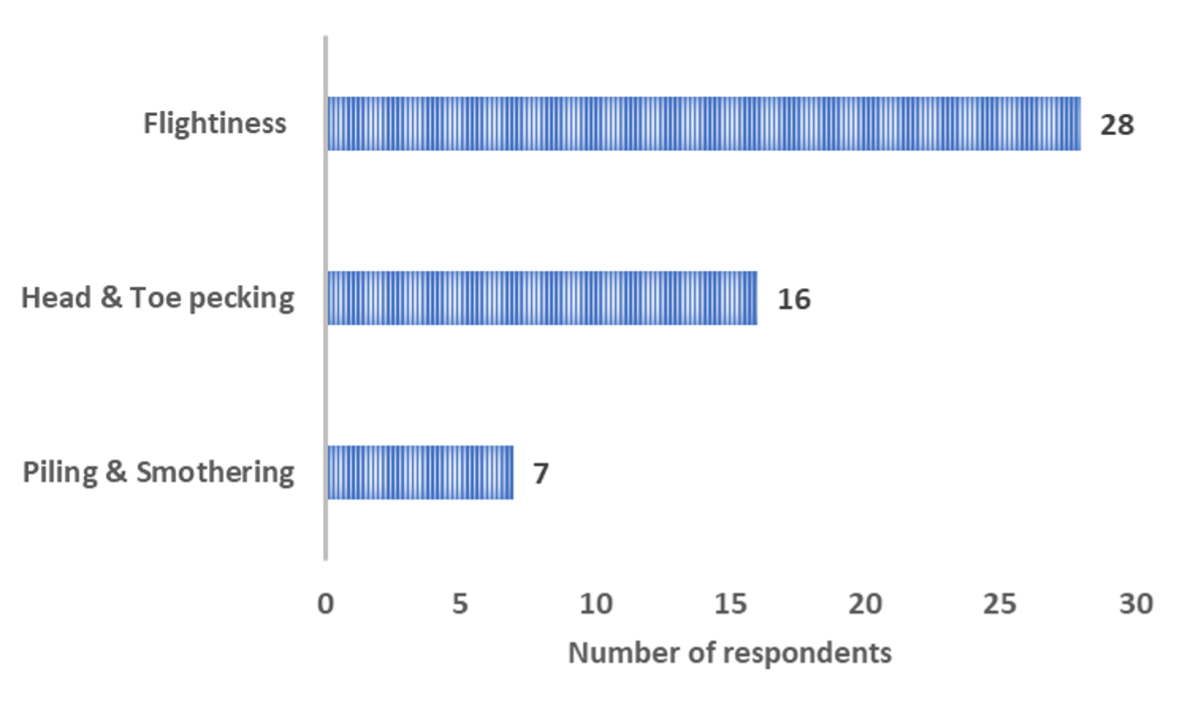
Figure 4. Flock Welfare Issues: Flightiness, Pecking, and Smothering in White Birds
In terms of ranging behaviour, over half of the respondents reported that brown birds ranged more effectively than white birds. However, enrichment use appeared broadly similar between breeds, although a small number of respondents noted limited enrichment engagement in white flocks.Feed Efficiency, Health and MortalityMore than half of the respondents reported improved feed conversion ratio (FCR) in white hybrids compared to brown birds. This is consistent with broader commercial expectations around feed efficiency in modern white strains.In terms of health, 79% of respondents reported that white breeds did not present significant health problems and were considered more resilient than brown breeds. This was also reflected in mortality data, with lower losses generally reported in white flocks.What the Findings Mean for the UK IndustryThe survey suggests that producers currently managing white laying hens are generally satisfied with their performance, liveability, and ease of management. This aligns with the gradual increase in white chick placements in the UK, which have reached around 15% of the national flock.Experience within the sector also appears to be developing, with more than a third of respondents reporting over three years of managing white flocks. This growing familiarity is likely contributing to the perception that white birds are easier to manage, with two-thirds of respondents indicating a preference compared to brown flocks. This trend is consistent with observations from other European production systems and may support further gradual uptake within the UK.However, the survey also highlights a clear area of caution. More than half of respondents indicated that they would not be comfortable managing intact-beaked flocks, regardless of feather colour. Among those willing to do so, there was a preference towards white birds, although this represented a smaller proportion of the overall sample. This reluctance suggests that concerns around injurious pecking remain a key consideration in flock management decisions. In particular, the potential financial, welfare, and reputational risks associated with outbreaks of injurious pecking in larger flocks may be influencing producer confidence in managing intact-beaked flocks.Looking AheadWhite laying flocks currently represent a relatively small proportion of UK production, but their presence is gradually increasing, supported by both commercial drivers and growing on-farm experience. As more producers gain practical experience with white breeds, this is likely to further shape management approaches across both rearing and laying sectors.However, the UK remains a predominantly brown egg market, and consumer demand will continue to play a central role in determining the long-term balance between brown and white egg production. Continued sharing of practical experience and on-farm knowledge will therefore be key in supporting the effective and sustainable management of white laying flocks as their role within the UK industry continues to evolve.Link to the full report can be found on the Laying Hen Welfare Forum website AcknowledgementsThe LHWF would like to acknowledge the respondents who shared their experiences and gave their time to participate in the survey. An appreciation is made to the industry for sharing the survey with their stakeholders.