

Vaccine shortages deepen across Europe
Published on : 24 Apr 2026
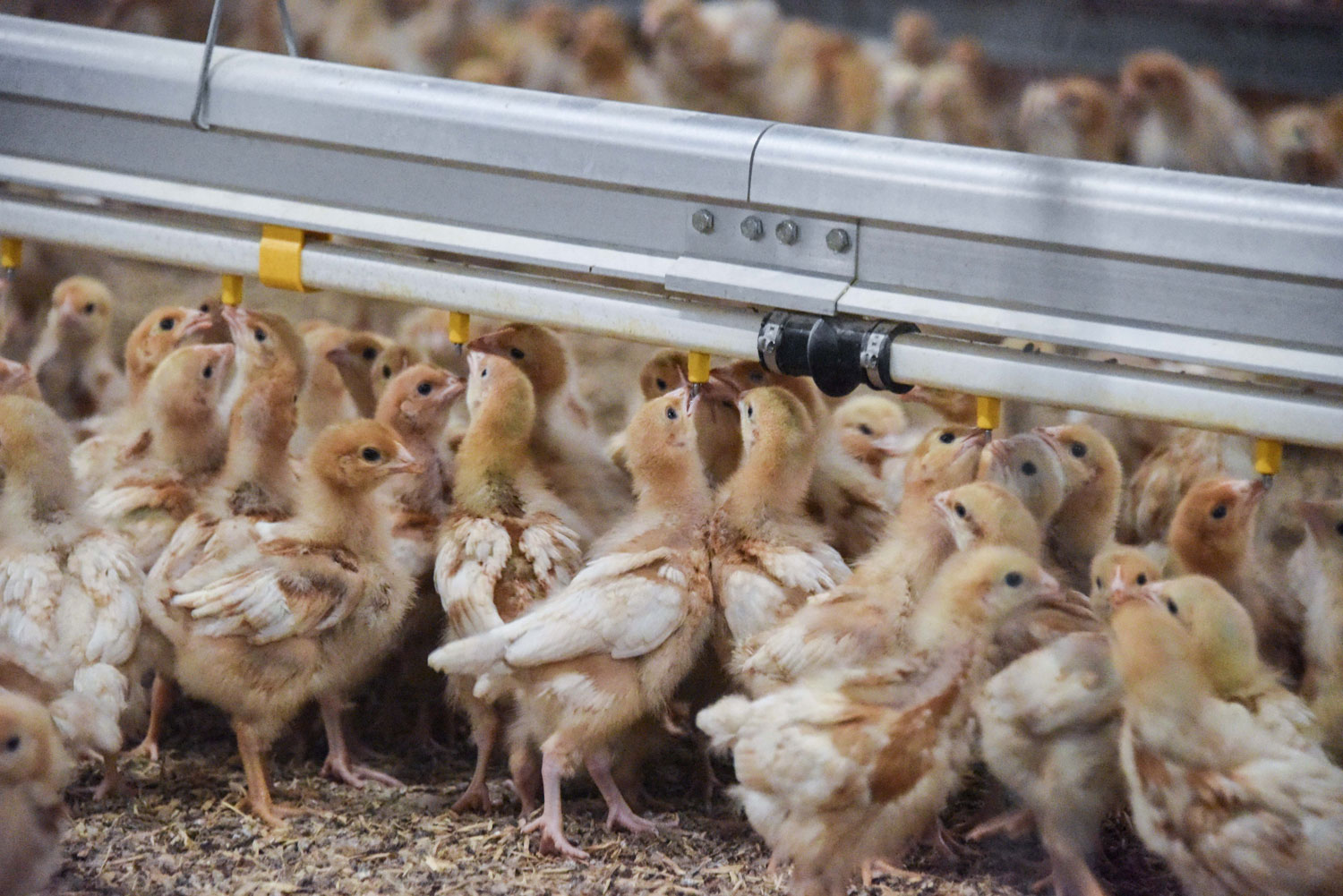
Producers should speak with their rearer to understand the current vaccine situation and whether shortages are likely to impact their pullets...
There have been Europe wide delays in the production of certain vaccines, particularly those used in rearing. Ongoing disease challenges across Europe have constrained the supply of specific pathogen free eggs, which are essential in vaccine manufacture, and this is now having a direct impact on availability.Supply has moved beyond tight, with Avian encephalomyelitis vaccines now out of stock and Newcastle disease vaccines also in short supply across Europe.Avian encephalomyelitis (AE) is a viral disease of poultry caused by a picornavirus that affects the central nervous system. It is most commonly seen in young birds, where it causes tremors, loss of balance and, in severe cases, paralysis. The disease can spread both horizontally between birds and vertically through the egg. If breeder flocks become infected during lay, the virus can be passed directly to chicks, leading to widespread outbreaks early in life. There is no treatment once infection occurs, and control relies on prevention through vaccination.Vaccination is therefore a critical part of flock health management. Breeder and layer replacement birds are typically vaccinated during the rearing period, well before the onset of lay. This allows the hen to develop immunity and pass protective maternal antibodies to her offspring via the egg, protecting chicks during their most vulnerable early weeks.The production of vaccines requires that any product released to market undergoes a very high standard of testing to ensure it is both safe and effective. This means production cannot simply be accelerated to make up any shortfall.While the disease situation in Europe is beginning to show signs of easing, which should lead to a return to more normal supply, these issues highlight just how susceptible the UK is to wider supply chain disruption. Vaccine production depends on hens, which are just as vulnerable to disease as any commercial flock. Nature does not distinguish between hens producing eggs for vaccines and those in other systems.The entire supply chain is working hard to remedy the situation, however shortfalls are unavoidable under these conditions. Looking ahead, it is important that pharmaceutical companies can continue to invest in maintaining consistent supply. This relies on the market recognising the value of vaccines, with pricing that reflects the technical, scientific, developmental and logistical effort required for their production.Producers should speak with their rearer to understand the current vaccine situation and whether shortages are likely to impact their pullets.