

UK Egg Quality – an improving picture
Published on : 20 Jul 2026
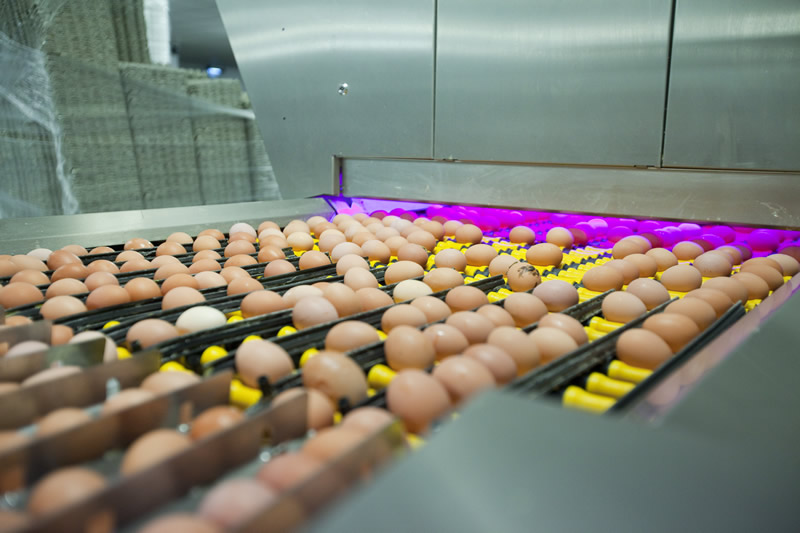 BFREPA attended the first quarterly review meeting held since the revised Egg Quality Standards Guidance came into force on 6 April this year, as APHA and industry stakeholders met to assess how implementation has gone over the initial three-month period. BFREPA was represented at the meeting by Gary Ford, Head of Strategy and Producer Engagement.A guide with a long historyGuidance on grading eggs for Class A and Class B has existed in one form or another for decades, helping producers, packing centres, inspectors and quality assurance teams apply a consistent standard across the country. For years this took the form of Defra's Egg Quality Guide, setting out the criteria packers and inspectors used to assess shell condition, cleanliness, and other defects when grading eggs.That guide was superseded earlier this year by a new Egg Quality Standards Guidance document, published in February 2026 and formally implemented from 6 April. Running to around 50 pages, it covers egg quality issues, the structure and formation of the egg, the effects of storage on quality, and grading methods to assist producers and packers to identify what constitutes a Class A egg. APHA says the aim was to support packing centres to consistently achieve and demonstrate compliance with Class A egg quality requirements and to ensure a consistent approach by all Egg Marketing Inspectors (EMIs). This follows a January 2025 court judgment which raised concerns about the reliability of evidence used to assess egg quality characteristics.A tighter definition, and an industry braced for more rejectionsWhen the revised guidance was first discussed, the concern among producers was straightforward: a stricter, more clearly defined standard for what counts as a Class A egg could only mean more eggs falling short of it. BFREPA made that concern known to APHA directly, on the basis that every additional downgrade is money out of a producer's pocket.BFREPA understands that in the twelve months before the new guidance took effect, UK downgrade rates ran at around 11.4%. In the first quarter under the new guidance, that rate fell to around 9.6% — not the increase the industry had feared, but a drop."Thankfully, this is not the increase we had feared," said Gary Ford, BFREPA’s Head of Strategy and Producer Engagement. "A tighter definition of Class A has not, so far, meant an increase in seconds. Packing centres already meeting the standard appear to have found the clearer guidance easier to work with rather than harder."Progress is not even across the board, though. APHA's review found clear improvement at several English packing centres on cracked eggs specifically, but far less on contamination from soiled eggs. This is something that producers need to continue to focus on.Gary Ford used the meeting to press APHA on how quality outcomes compared to imported eggs. BFREPA understands that APHA data shows imported eggs are being downgraded at a far higher rate than UK-produced eggs.Given this, APHA was asked at the meeting for a fuller breakdown of quality data by origin (UK/EU/non-EU) for future reporting, and BFREPA understands this is being considered.What's nextA further review meeting has been agreed with APHA, with scope widening to include broader production standards. The next meeting is likely to take place in three months' time.BFREPA has also been invited to attend the next Defra/Department for Business and Trade Ukraine Imports Industry Roundtable in early August. At the meeting, on behalf of members, we will continue to raise our grave concerns over the impact of imports of Ukrainian egg and press for greater transparency on how imported product is checked and how it performs against the same standards British producers are expected to meet.