

RSPCA Assured's paused pophole daylight rule is back, with a December start date
Published on : 26 Aug 2026
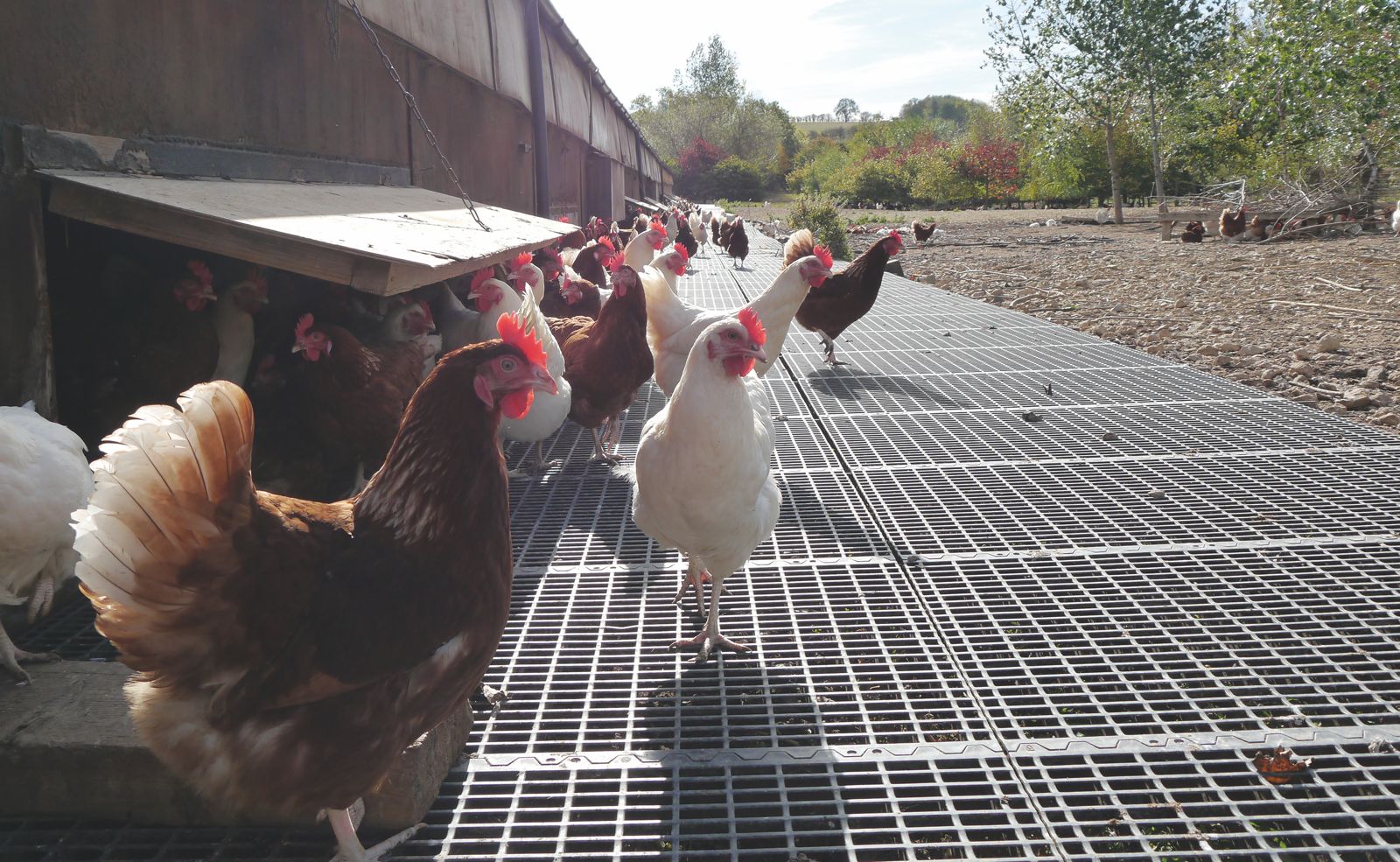 RSPCA Assured has confirmed that standard E 6.4, the requirement for natural daylight to be provided via all popholes when birds need to be housed during the natural daylight period, will come into force on 1st December 2026. Members of the free-range scheme are being written to this morning by the assurance scheme's Farming and Technical Engagement team to advise them of the date.The standard was originally due to take effect on 1st October 2025 but was paused pending industry trials. Those trials did not, in the end, take place, and the requirement has sat unresolved since. It will now apply to flocks placed after 1st December 2026, meaning that producers with birds on farm on that date will not need to comply until their next flock is placed.The pophole covering requirement has a longer history than today's letter suggests. BFREPA reported in April 2025 that the RSPCA had finalised its revised laying hen standards following an extended period of consultation, after first announcing significant changes back in November 2023. That consultation ran through two working groups, a Progress Group and a Producer Working Group, set up specifically to work through the concerns raised by producers and their industry associations, and the finalised standards took full effect on 11th July 2025, some sixteen months after the date originally proposed.Within that package, the pophole covering rule sat alongside a wider set of changes to the natural daylight provisions. New builds and major refurbishments were to provide 3 per cent natural daylight from 1st October 2025, while existing houses were given until 1st January 2035 or their next refurbishment cycle, whichever came first, with a possible five-year derogation to 2040 for farms unable to comply and applications for that opening in June 2034. It was against that same 1st October 2025 date that BFREPA first reported the pophole guidance, noting that producers could put a clear material such as acrylic over popholes, rather than closing them fully, when birds needed to be housed during the natural daylight period. Barn houses were dealt with separately, with 3 per cent natural daylight required by 1st May 2032 and verandas mandatory from 1st May 2030, and the same round of revisions also saw the 45cm range fencing gap dropped as a fixed figure, the deadline for extending natural cover pushed back to 1st May 2027, and pophole height thresholds raised by 5cm.It was that 1st October 2025 date for the pophole covering requirement specifically that was paused pending industry trials, and it is that same requirement RSPCA Assured has now confirmed for 1st December 2026. The guidance itself has not changed in substance: RSPCA Assured has said it is not being prescriptive about the type of covering used, only that whatever is fitted allows daylight into the shed, and it intends to build a library of solutions to share with producers over time.Free-range producer representatives have raised concerns about the standard directly with RSPCA Assured, and do not believe it is beneficial to bird health and welfare. The worry is particularly acute for well ranging flocks, birds that can see the range through an open pophole but, at times when the doors need to be closed, cannot get out to it. That combination, seeing the range without access to it, is felt to carry a real risk of stressing birds, and the risk of smothering has also been raised as a concern that needs to be addressed before the standard is implemented rather than after.RSPCA Assured has indicated that advice on managing birds under the new requirement will be provided by its Farming Engagement Team, and that producers placing flocks in December and January, the first to fall under the new standard, will be worked with directly. Whether that support is enough to manage the welfare risks that have been raised remains to be seen, and producers placing birds over the coming winter would be well advised to plan for it now rather than waiting for the library of solutions to take shape.