

Repopulating a premises in a disease control zone
Published on : 27 Jan 2026
Protection Zones and Surveillance Zones cannot be lifted until at least 7 days after the last movement into the zone
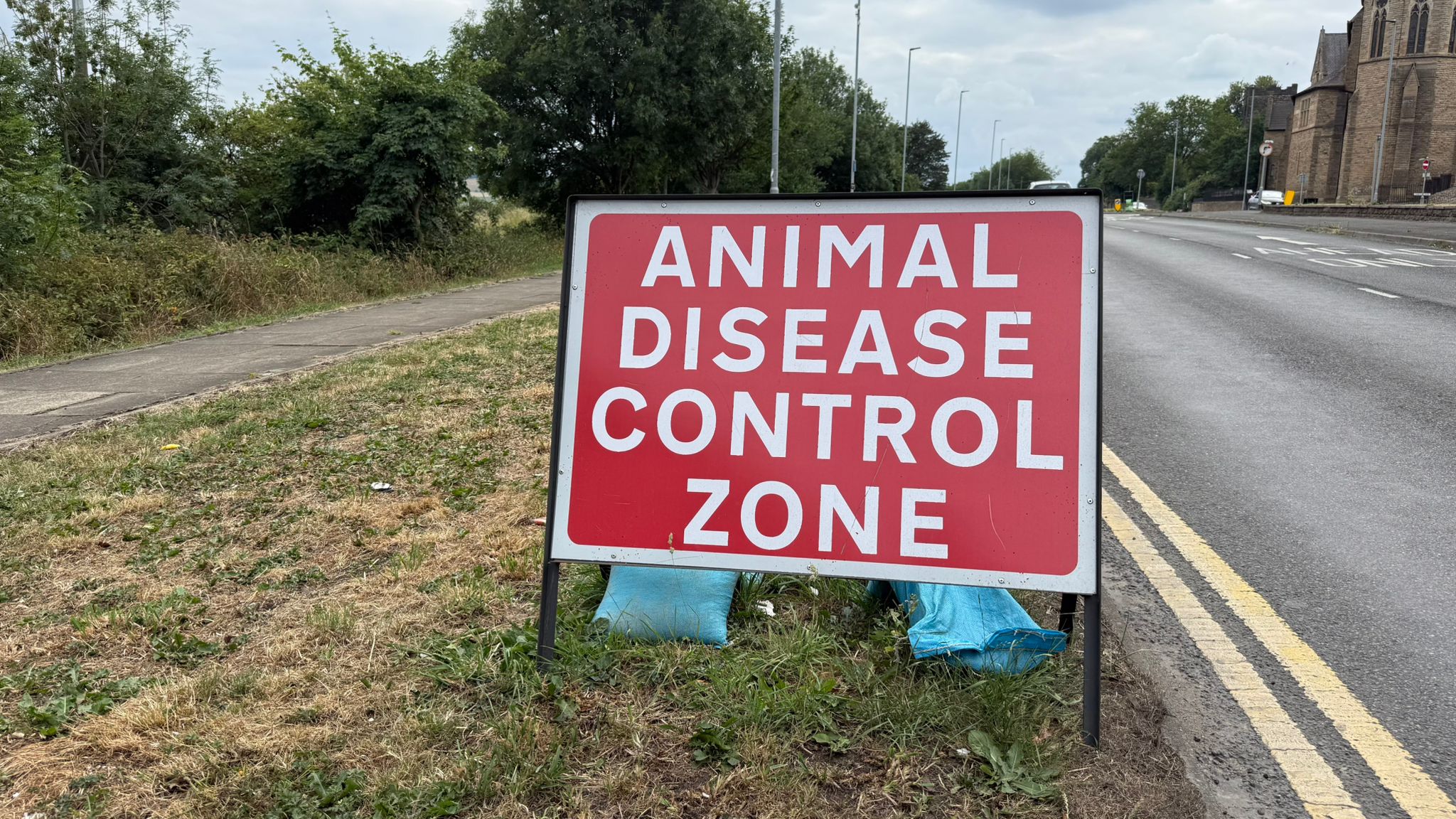
This guidance does not apply to an infected premises where avian influenza has been confirmed.This guidance has been produced in response to a BFREPA request to Defra seeking clarification on whether advice could be issued to members experiencing frustration around restocking birds while operating within avian influenza movement restriction zones. During periods of heightened disease activity, uncertainty around licensing, repopulation timing and the impact of bird movements on zone lifting has created significant practical and commercial challenges for poultry keepers. The information below sets out Defra’s clarification on how disease control zones operate, the conditions under which repopulation may be permitted, and why movements into restricted zones can affect the duration of controls for all premises within that area.Measures in disease control zonesFollowing the confirmation of notifiable avian influenza in poultry or other captive birds at a premises, disease control zones are put in place surrounding the infected premises (IP). Within these disease control zones, a range of controls are in place to prevent the spread of disease. For highly pathogenic avian influenza (HPAI), Protection Zones (PZ) and Captive Bird Monitoring (Controlled) Zones (CBMCZ) must remain in force for at least 21 days and Surveillance Zones (SZ) for at least 30 days following the completion of preliminary cleansing and disinfection at the IP. For low pathogenic avian influenza (LPAI) the LPAI Restricted Zone must stay in place for at least 21 days. However, disease control zones are only lifted once all disease control and surveillance activities in the zones have been successfully completed and there are no further suspect cases under investigation in the zones. Repopulating disease control zonesMovements of birds into the PZ or SZ, including for repopulation, can only occur if the movement is licenced and permitted by the Avian Influenza and Influenza of Avian Origin in Mammals (England) (No.2) Order 2006.Protection Zones and Surveillance Zones cannot be lifted until at least 7 days after the last movement into the zone (including for repopulation) unless the movement is onto a premises (with the same CPH number) where indicator species are already present. Indicator species are specific types of birds (for example chickens, turkey or pheasants) that are highly sensitive to the avian influenza virus and will show clear, rapid signs of illness or die if any virus is still present. APHA will conduct a weekly health census check to assess production and health records of the birds. For premises in a PZ this will be a visit, in the SZ this will be a phone call. These measures are to ensure there is no indication of disease in the new population. Movements into the zone within the 7 days before the zone is due to be lifted will therefore cause that lift date to be delayed.It is best practice to operate all-in all-out systems with the whole premises being repopulated on the same day but for very large sites we recognise that repopulating may take place over several days. Where all-in-all-out is not possible, birds moved onto the premises first can act as sentinels for disease. If there are no signs of disease, then later moves may not result in a further delay in lifting the zone.We may ask for movements to be delayed Movements into the zone may cause a delay to the zone being lifted. Therefore, we may ask poultry keepers whether it is possible not to make movements into PZ or SZ or to delay the move until after the zone has been lifted, to enable the zones to be merged or lifted, and reduce impact on all premises within that zone. APHA will endeavour to proactively communicate with licence applicants, however it can be challenging to predict zone lift or merge dates sufficiently in advance where there is a period of high disease incidence.If there are zones with significant disruption, then it may become necessary for policy to prohibit all movements into a zone for 7 days. Individual circumstances will be taken into account in determining this period. In exceptional circumstances movements into a zone may need to be prohibited to allow the zone to be lifted.This guidance does not apply to an infected premises where avian influenza has been confirmed, where the owner must choose an option for secondary cleansing and disinfection and wait for the corresponding time to elapse before repopulating the premises is permitted.You must keep records of health and production data and immediately notify APHA of any significant change, any clinical signs or mortalities.Further information can be found in the rules in disease control zones guidance on GOV.UK, with the definitive requirements in the zones set out in the declarations for the zones available via the animal disease case finder on GOV.UK.