
Purely Organic more than doubles store count after rebrand
Published on : 24 Sep 2026
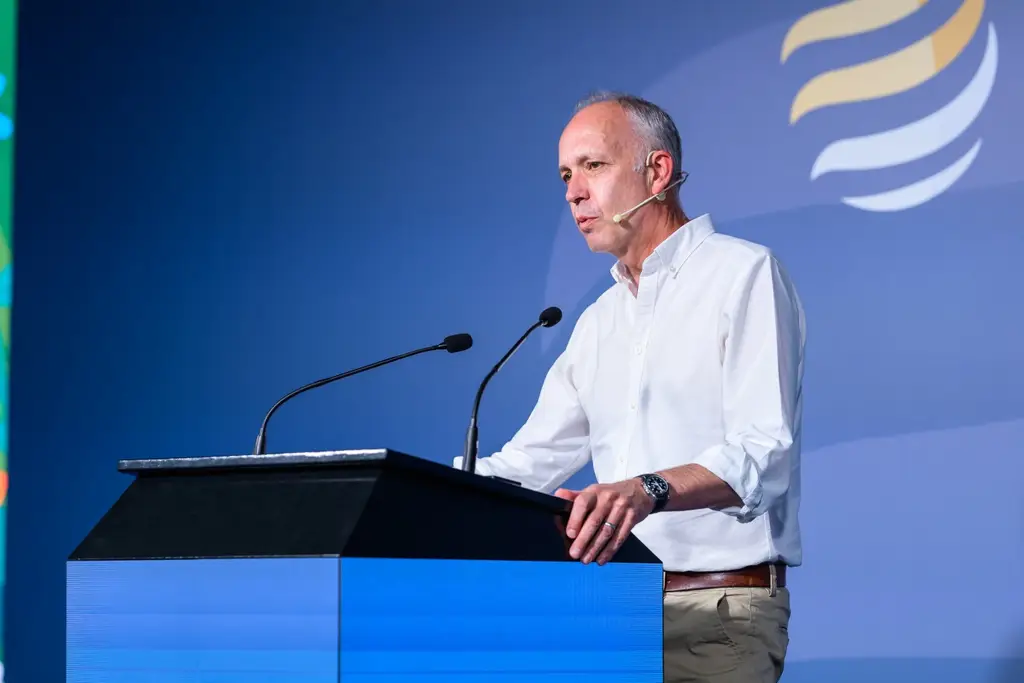 Noble Foods' Purely Organic has become the UK's number one organic egg brand after a pack redesign, first-time social media spend and on-farm biodiversity monitoring.Purely Organic is now stocked in more than 4,200 UK stores, over double its listings before a rebrand, and has grown value sales by 158 per cent in five years to £26m, Noble Foods chief executive Duncan Everett told the World Egg Organisation's Singapore conference.Presenting the brand as Noble's entry for the Golden Egg Award for Marketing Excellence on 9 September, Mr Everett said most of that growth had come in the last two years, with sales more than doubling over that period. Purely Organic holds an 18 per cent share of the organic egg market, he said, although at £26m it remains one of Noble's smaller brands.The brand launched in 2018 as the UK's first national organic egg brand, but Mr Everett said the early years, which took in Covid and supply problems, fell short of expectations. "It didn't start particularly well, if we're being really honest," he said.Noble stepped back and identified two barriers to growth. The first was limited visibility on shelf and on social media, which reduced its influence at the point of purchase, and the second was consumer confusion over what organic means in eggs and why it is worth paying more for. That led to a brand ambition to make Purely Organic the trusted choice that helps consumers understand and choose organic.Impossible to missThe first change was to the pack. Mr Everett said the old design did not deliver the messages Noble wanted, recalling that he had asked marketing director Anita "how the hell did we end up with" it as a starting point. The new packs use green pulp for shelf standout, illustrations that celebrate nature, friendlier typography and a clearer brand proposition, with Nature at our Heart called out more distinctly than before. Explaining the change to retailers unlocked the extra space and the growth that followed, he said, with the brand now listed in Morrisons, Asda, Tesco, Sainsbury's and Co-op.The packaging was backed by media investment in store and, for the first time, on social media. In-store activity covered web banners, shelf talkers and digital screens, and Noble also partnered for the first time with organic brands outside eggs, including Rachel's Organic yoghurt, to amplify the message. He said this delivered a 21.8 per cent rise in volume sales against the prior period. On social, where 73 per cent of the target audience use Instagram weekly, Noble used influencer content and recipes to build understanding of organic.Tracking perceptionMr Everett said Noble tracks forward-looking indicators as well as volume and margin growth. "Warm feelings are never good enough," he said. Prompted awareness now stands at 22 per cent, up 9 per cent on two years ago and 4 per cent on a year ago. The brand's score for being environmentally friendly rose from four to nine percentage points after the rebrand, and for high animal welfare from two to seven.Nature as a languageTo tackle the education problem, Noble chose to lead with nature, which Mr Everett described as a universal language that is more digestible and emotive than technical standards. "Anyone who's read an organic egg standard document in the UK would know if you try and market that, you're not going to do particularly well," he said.Noble introduced AgriSound acoustic sensors across all 14 of its organic farms to count pollinator activity in real time, recording 300,000 hours of activity, which he said turns biodiversity into a measurable number rather than a marketing claim. Terramapping has measured soil health across more than 100 acres through scanning and sampling, which he said showed that good for farms extends below the surface as well as across it.Bat and bird boxes have been installed on every farm, hundreds of fruit trees planted, and pollinator activity rose 31 per cent after butterfly banks were put in, giving the brand nature-led stories to tell in plain consumer language, he said.Mr Everett said the work had also benefited the wider category, with the number of households buying organic up 31.8 per cent in a year.