

Preparing for the AI season: August is the month to act
Published on : 10 Aug 2026
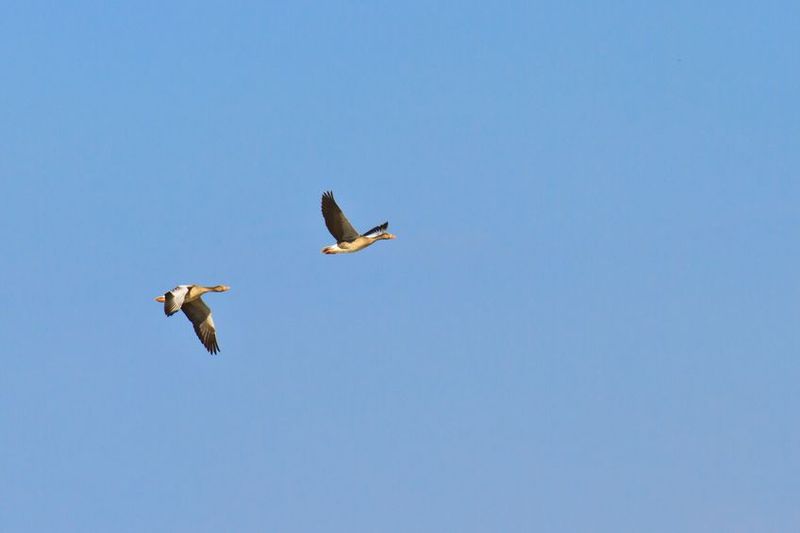 The avian influenza season does not begin with the first positive case. By then, the opportunity for measured preparation has already narrowed. August provides a useful window to inspect sites, address weaknesses and make sure winter biosecurity arrangements are ready before autumn migration gathers pace.
The current disease picture is relatively favourable. The risk of highly pathogenic avian influenza (HPAI) H5 in wild birds in Great Britain is assessed as low, as is the risk of exposure to poultry. Great Britain self-declared freedom from HPAI on 18 May 2026 and the Avian Influenza Prevention Zone covering England, Wales and Scotland was lifted on 4 June.
That position is welcome, but it should not encourage complacency. Wild bird movements increase through late summer and autumn, with substantial numbers of wintering birds arriving in the UK from northern and eastern Europe and Arctic breeding areas. Preparations need to be completed before those movements reach their peak.
Migration starts before the autumn peakWild bird migration is already under way during August. Birds that have bred in Britain are beginning to move south towards continental Europe and Africa, while waders and other species breeding further north are passing through or arriving in Britain on their own southward journeys.
The more significant movement from an autumn AI perspective comes as winter visitors begin reaching the UK in larger numbers. British Trust for Ornithology observations indicate that many winter visitors start arriving during September, with migration generally peaking in October. Further arrivals and weather-driven movements can continue through November.
October may be the peak arrival month, but it is too late to begin preparing in October. Farm infrastructure, biosecurity procedures and contingency arrangements should already have been reviewed and tested before the main influx is under way.
| Period | Typical movement around the UK | AI preparedness significance |
|---|---|---|
| July–August | UK summer migrants begin leaving, while Arctic and northern waders start moving through or arriving in Britain. | Preparation period. Review biosecurity, infrastructure, equipment and contingency plans. |
| September | Winter visitors from northern and eastern Europe and Arctic regions begin arriving in increasing numbers. | Heightened vigilance. Follow wild bird detections and AI developments in the UK and northern Europe. |
| October | Peak arrival period for many winter migrants. | Key seasonal preparedness period. Winter biosecurity arrangements should already be fully operational. |
| November | Further arrivals continue alongside weather-related redistribution of birds within the UK. | Maintain heightened vigilance and follow APHA risk assessments closely. |
| December–February | Large populations of wintering waterbirds remain in Britain, with cold weather capable of causing further movements and concentrations. | Maintain strong winter biosecurity. The end of peak migration does not mean the end of risk. |
| March | Wintering wildfowl and waders begin leaving Britain for breeding grounds further north. | Major outward migration period. Maintain vigilance while substantial numbers of birds remain on the move. |
| April–May | Remaining winter visitors depart while passage migrants continue to move through Britain. | Migration pressure begins to reduce, although disease risk should continue to be judged against official assessments. |
| June | Long-distance winter waterbird migration is comparatively limited, with breeding and local movements dominating. | Typically a lower migration-driven period, although routine biosecurity remains necessary throughout the year. |
Last season underlines the need to prepare earlyThe 2025/26 season showed how quickly circumstances can change once autumn migration is established. The first confirmed HPAI H5N1 case of the season was reported in Northern Ireland on 9 October 2025, followed by England on 11 October, Wales on 25 October and Scotland on 12 November. A total of 100 confirmed HPAI H5N1 cases in kept birds were subsequently recorded across the UK during the season.
The timing reinforces the case for completing preparations before October. Once infection is being detected in kept flocks, businesses are operating in a very different environment and the emphasis moves rapidly from preparation to response.
September should therefore be regarded as the point by which winter arrangements are functioning, rather than the month in which work on them begins.
Put the farm under scrutinyBiosecurity remains the most important line of defence between circulating virus in wild birds and commercial poultry. The summer period provides an opportunity to establish whether existing arrangements will remain workable through a wet autumn and winter.
A site inspection should cover roofs, gutters and drainage; areas prone to standing water; feed and bedding storage; concrete aprons and access routes; potential wild bird access points; vermin control; cleansing and disinfection facilities; and the separation of clean and dirty areas.
Weaknesses that cause little difficulty during dry weather can become significant once autumn conditions arrive. Poor drainage, standing water and muddy access routes make effective biosecurity harder to maintain and increase the potential for contaminated material to be moved around a site.
Operational procedures need the same scrutiny. Vehicle movements, egg collections, contractors, catching teams, service engineers and other visitors all create traffic on and off farm. Footwear, clothing, equipment and vehicle controls must work under normal commercial pressures rather than simply existing as written protocols.
Stocks of essential materials should also be reviewed. Disinfectant, protective clothing, footwear and other biosecurity consumables are easier to source before demand begins increasing across the poultry sector.
Plan for escalation before it is neededA change in the official risk level, the introduction of an Avian Influenza Prevention Zone or the imposition of housing measures can alter normal farm routines quickly. The practical consequences should be considered before any restrictions are announced.
Responsibilities need to be clear. Businesses should know who will implement additional controls, how staff and contractors will be briefed, what equipment will be required and how everyday operations would change if enhanced measures became necessary.
Free range businesses also need to consider the practical consequences of housing birds. Ventilation, litter management, enrichment, stocking management and bird behaviour can all become more difficult when a flock accustomed to range access is kept indoors. Advance preparation will not remove those pressures, but it can reduce the number of problems that need to be dealt with during an already demanding period.
Migration is not the whole seasonThe autumn influx of wild birds attracts considerable attention, but seasonal AI risk cannot be reduced to a single migration event. Large populations of wildfowl and other waterbirds remain in Britain throughout winter, continuing to move between roosting, feeding and wetland sites.
Periods of severe weather can cause further redistribution and concentration of birds. December, January and February therefore remain important even after the principal long-distance autumn migration has passed.
Movement increases again in spring. Wintering wildfowl and waders begin leaving Britain during March for breeding grounds further north, with departures continuing through April and May. The direction of travel has changed, but substantial numbers of birds are still moving through the landscape.
Decisions on biosecurity should therefore continue to follow the prevailing disease situation and official risk assessments rather than an assumed end date for the season.
A seasonal framework for preparationAugust: inspect sites, complete repairs, check stocks and test procedures.
September: move to heightened vigilance and have winter biosecurity arrangements fully operational.
October and November: expect the main influx of winter migrants and follow UK and European disease developments closely.
December to February: maintain controls while large populations of wintering birds remain in the UK.
March and April: remain vigilant as wintering birds begin their outward migration.
The current low-risk period gives the sector an opportunity to carry out this work under relatively normal operating conditions. Repairs can be completed, weak points corrected, supplies checked and procedures tested without the additional pressure created by an outbreak or new statutory controls.
The objective is not to predict the date of the first case of the 2026/27 season. It is to make sure farms are prepared before the risk begins to rise.