

Preparing for birds to return outside from 9 April 2026
Published on : 2 Apr 2026
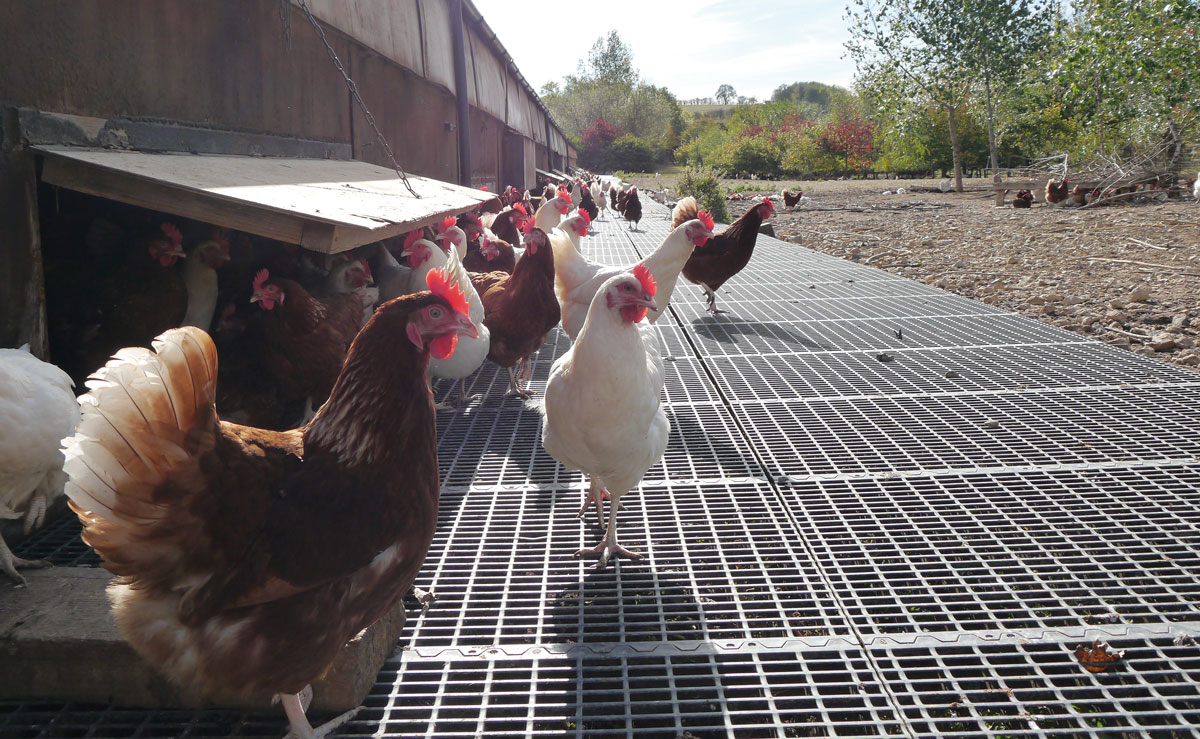
Although housing measures are being lifted, the risk of bird flu is likely to persist for several weeks or even months...
Mandatory housing measures for poultry and other captive birds will be lifted in England and Wales at 00:01 on Thursday 9 April 2026.“Mandatory housing measures for poultry and other captive birds will be lifted in England and Wales at 00:01 on Thursday 9 April 2026,” said Gary Ford, Head of Strategy and Producer Engagement. “However, birds must remain housed if you are located within a Protection Zone or a Captive Bird (Monitoring) Controlled Zone.”“Whilst the news of reducing risk levels in wild birds and commercial poultry is welcome, there is concern that the Housing Order is being lifted so early in April,” he added. “The risk has not gone away. We strongly urge our members to remain vigilant and maintain high standards of biosecurity at all times. It is also important to note that the additional measures required by the Avian Influenza Prevention Zone (AIPZ) remain in force.”Avian influenza spreads between birds through direct contact, droppings, and contaminated equipment, land or water. While poultry infected with the current strain will usually show signs of illness, waterfowl such as ducks and geese can carry and spread the virus without appearing unwell.Although housing measures are being lifted, the risk of bird flu is likely to persist for several weeks or even months. Preparing the range in advance will help reduce the risk when birds are allowed back outside.Make the range less attractive to wild birds• Drain ponds and standing water where possible, subject to the necessary permissions• If drainage is not possible, cover or net ponds and larger water bodies within 100 metres of the range to prevent access by wild birds• Fence off ponds, wet or boggy areas so poultry cannot access potentially contaminated ground• Remove any feed sources that may attract wild birds, including spilled grain or feed around wet areas, and feed birds under coverDeter wild birds from the rangeWild birds can be discouraged from landing and feeding on the range by regularly walking the area, particularly with dogs, and using visual bird scarers.Reduce contamination on the rangeWhere ranges have been unused but exposed to wild birds, contamination may be present. The virus can survive in droppings for up to 50 days at this time of year, and longer in wet conditions. Steps to reduce this risk include:• Cleaning and disinfecting concrete or hard surfaces using a Defra approved disinfectant at the correct dilution rate, following pollution control guidance• Considering targeted disinfection of heavily contaminated areas, although effectiveness may be limited where organic matter is present, so manufacturer advice should be followed• Applying woodchip or shavings in wet areas, which may help reduce virus load, although veterinary advice should be sought due to the risk of aspergillosis in warm, damp conditions• Harrowing the ground to break up droppings and expose them to drying and sunlight, helping reduce virus survival, while noting this may attract wild birdsUse disinfectants responsiblyPrior Environment Agency approval is not required when disinfectants are used at normal operational levels. However, appropriate pollution prevention measures must be followed to prevent run off, and disinfectants must not be applied near watercourses or drinking water supplies.Reduce spread via people and equipment• Limit access to the range to essential personnel only• Ensure anyone entering has no contact with other poultry• Provide dedicated clothing and footwear for use on site• Use foot dips at entry and exit points• Store feed, bedding and equipment under cover to prevent contamination• Do not share equipment between different flocks