
Preparations for the lifting of a housing order
Published on : 2 Apr 2026
Birds thrive when they follow the same routine every day, so changing this can be stressful
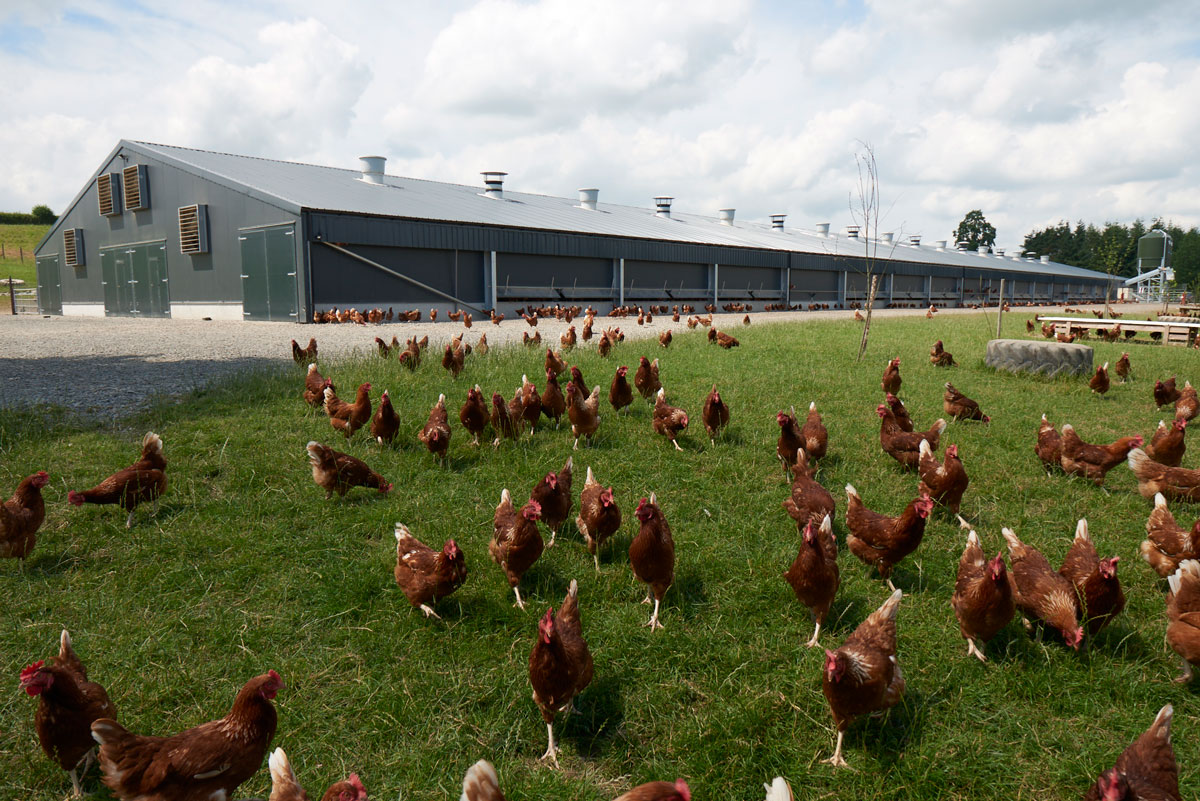
Plans have been announced to lift the Avian Influenza Prevention Zone housing measures for poultry and captive birds in England and Wales from when. However, the Avian Influenza Prevention Zone mandatory biosecurity measures will remain in place for all birds. Birds thrive when they follow the same routine every day, so changing this can be stressful. Below are some things you can do to prepare and interventions you can make, that will help minimise the stress of ranging once again.For the latest information and guidance, please refer to GOV.UK and GOV.WALES. The latest Avian Influenza information is also available on GOV.SCOT. Preparing your siteThe priority is to make sure that your site is ready: • Prepare the range by fencing off or removing any standing water that could be a biosecurity risk• Check the fencing is secure and intact to prevent wild animals from entering• Place covered foot dips at the entrance to the range from the yard. Make sure you are using a DEFRA licensed product at the correct dilution rate• Consider disinfecting any concrete aprons and hard standing with a DEFRA approved disinfectant at the approved rate• Consider scattering lime over the potentially contaminated areas of the range• Cutting the vegetation on the range will allow sunlight to reach the surface of the soil to help destroy any virus present. Do not disturb the soil e.g., by harrowing as this will likely attract wild birds.Monitor/check lightingThere may be an effect on the birds following the opening of the shed to the ingress of more daylight; an increase in light as well as potentially more intense light will increase bird activity, and this can sometimes go too far resulting in aggression. Therefore, indoor lighting may need to be adjusted accordingly during this time, particularly if feather pecking has been an issue. • The ventilation of the house may need adapting when doing this to help maintain good litter qualityFlocks may respond differently so it is vitally important to monitor the birds’ reaction to these changes, closely.Check vaccination status and worming protocolsIn IB vaccinated flocks, ensure birds are up to date with vaccination now they’re about to go back outside. The gold-standard approach would be to undertake a vaccine audit and some surveillance testing following vaccination to ensure that vaccine uptake is optimal. If you would like to do this, please speak to your vet who will be able to advise. It is also advised that you review your worming protocols with your vet as these may have altered due to the housing order.Review parasite controlFor some producers, the housing order may have resulted in warmer shed temperatures than usual. The red mite and fly risk are therefore higher. Now is a good time to review infestation levels, as with red mite especially, the impact they have on already stressed birds is particularly detrimental. There are a number of products available for use against red mites and flies so please speak with your vet who will be able to discuss the options with you as well as providing application training where needed.Monitor hydrationWell hydrated birds are calmer and better able to cope with management changes.Consider the use of electrolytes such as Solulyte Plus before, during and after the reintroduction to the range. Support the immune systemFor more sensitive flocks, or those who have suffered a recent challenge, multivitamins such as Multivitamin Plus are recommended as they help support the immune system as well as bolstering metabolic function.Minimise bird aggressionIt is not always easy to manage unwanted behaviours such as aggression. However, ensuring that the birds have access to rewarding enrichments such as grit and pecking blocks is beneficial. Check with your vet that your shed(s) have the correct ratio of enrichments to birds.On release If the birds have not been allowed access to the range since placement they may choose to stay in the house. It is common to see a lower number of birds choosing to range following a housing order. On farms where the birds had been ranging well prior to being housed the birds may be delighted to regain access to the range and make use of the opportunity immediately.Biosecurity Despite the lifting of the housing order, it should be noted that the risk to poultry from wild birds is still considered ‘Medium’ by APHA on sites where biosecurity is suboptimal. Therefore, it is important not to let your guard down. Consider the use of bird scarers and ensure any feed spills are promptly cleaned up. Avian influenza is a potential risk all year round and special attention should still be given to biosecurity measures such as correct use of barrier systems into the bird area, visitor control and shed maintenance.