

Poultry must stop letting activists set the agenda
Published on : 13 May 2026
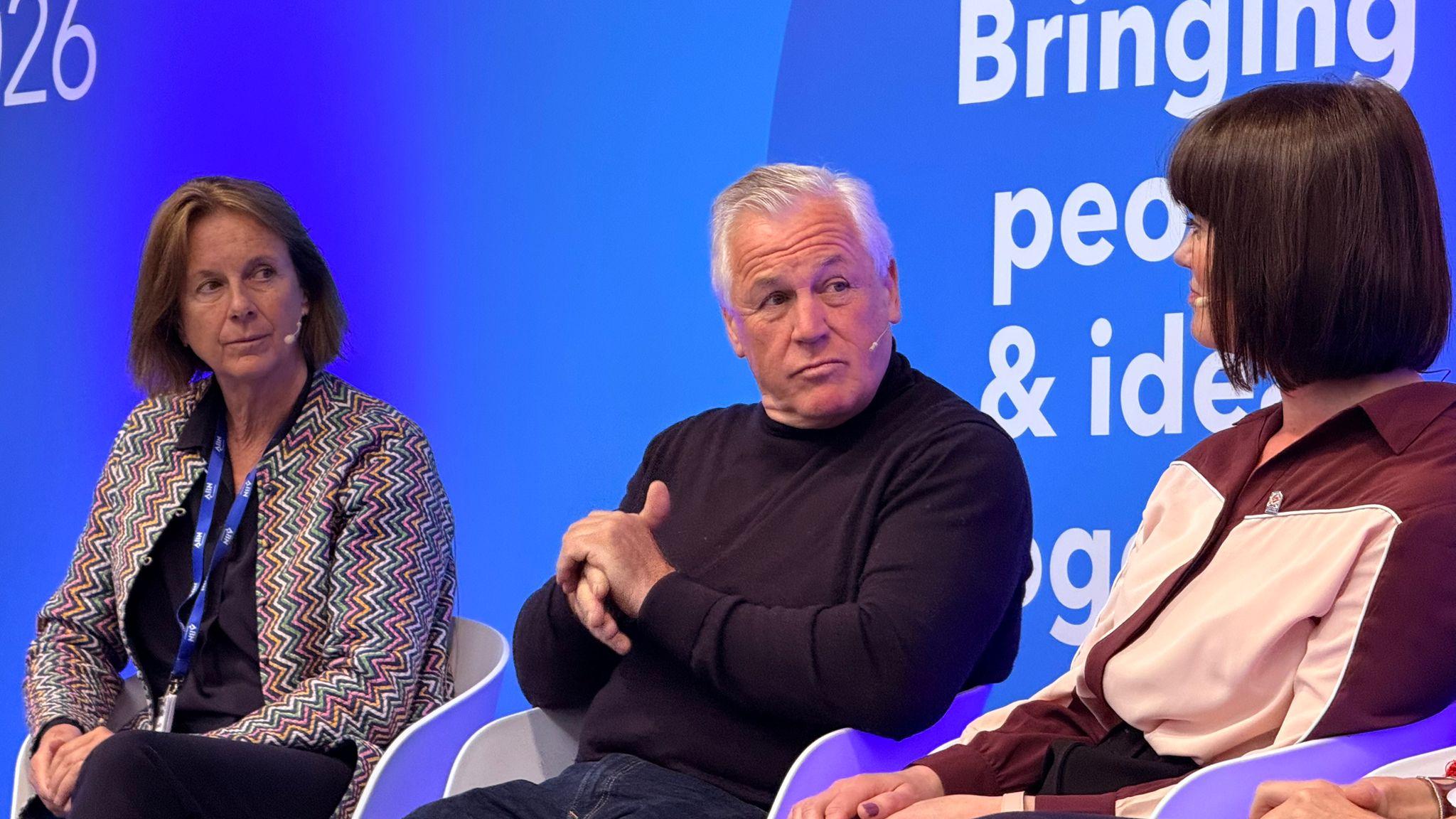
The discussion examined how campaigns against poultry businesses have evolved...
The poultry sector needs to move from defence to leadership if it is to withstand the growing communications challenge posed by animal rights activism, a Pig & Poultry Fair panel has warned.The session, chaired by Chloe Ryan of Poultry Business, brought together Amy Jackson, founder of Oxtale Communications and a research fellow at the University of Nottingham; Paul Kelly, managing director of Kelly Turkeys; Jo Miller, director of communications and engagement at Red Tractor; and Jo Hilditch of Whittern Farms in Herefordshire.The discussion, titled The communications battle – how should the poultry sector respond to activism?, examined how campaigns against poultry businesses have evolved, how producers and assurance bodies should respond when footage emerges, and whether the industry is doing enough to explain modern poultry production before others do it for them.A recurring theme throughout the discussion was that the poultry sector had become too reactive and was allowing others to frame the public conversation around farming, welfare and environmental issues.Jackson argued that the industry had shown it could respond effectively when it acted collectively, pointing to progress on antibiotics and food safety over the past decade. However, she warned that poultry was now losing control of the agenda on issues such as air and water quality because it had failed to engage early enough and openly enough with public concerns.Rather than simply focusing on how to respond after activist campaigns emerge, she suggested the industry needed to become far more proactive in acknowledging challenges, explaining what was being done and communicating progress before criticism intensified.The panel agreed that activist campaigns had become increasingly sophisticated in recent years. Producers were now facing not only traditional campaigning organisations, but highly organised online operations able to spread footage rapidly across YouTube, Instagram, Facebook and other platforms.Kelly said the nature of activism had changed significantly because campaigners were now able to monetise content through clicks, advertising revenue and donations. In his view, this had created a powerful incentive to generate dramatic footage and emotionally charged narratives.Technology was also changing the situation on farm. Hidden cameras, drones and mobile phone footage had made it increasingly difficult for producers to control what material might emerge publicly, even where businesses believed they were operating responsibly and legally.Kelly, whose business has previously been targeted by activists, said the experience could feel deeply personal for farming families. However, he also suggested that public reaction was not always as severe as producers feared, with many consumers accepting that some difficult realities are part of livestock farming.The discussion repeatedly returned to the widening disconnect between consumers and agriculture. Several speakers argued that many members of the public no longer have any direct understanding of livestock production, creating a vacuum that campaigners are often able to fill.Kelly argued that producers should be more willing to show people what happens on farms rather than leaving activist footage to become the public’s first exposure to poultry production. Mortality, catching and processing were all realities of farming, he said, but most consumers were capable of understanding this when it was explained honestly and in context.Hilditch agreed that the sector needed to become more confident in promoting British poultry production and the standards being achieved on farm. She said producers had invested heavily in welfare, housing and management and should not be embarrassed about showing the public how modern poultry farming operates.She also highlighted the wider pressures producers were facing beyond activist incursions themselves, particularly around planning and environmental regulation. In areas such as Herefordshire and the River Wye catchment, she said poultry developments were increasingly becoming the focus of broader environmental activism.Planning applications were now often accompanied by lengthy mitigation requirements covering issues such as nutrient management and ammonia emissions, even where new developments would significantly improve older facilities. The panel suggested local authorities were becoming increasingly cautious because of the risk of legal challenge and judicial review.Much of the discussion focused on communications strategy and how businesses should respond when activist footage or allegations emerge.Jackson warned strongly against remaining silent. In her view, saying nothing allows others to define the narrative unchecked. Instead, she argued businesses should acknowledge concerns quickly, state that matters are being investigated seriously and commit to providing further information once facts have been established.BFREPA has also worked in collaboration with the British Egg Industry Council (BEIC) to produce three activist awareness leaflets, designed to help producers prepare for and deal with activist activity while improving understanding of modern British free range egg production.• Essential Security Checklist• Protecting Your Farm• Suspicious Activity Log