
Poultry and egg imports in focus as Ukraine access and trade fairness debated at NFU Conference
Published on : 24 Feb 2026
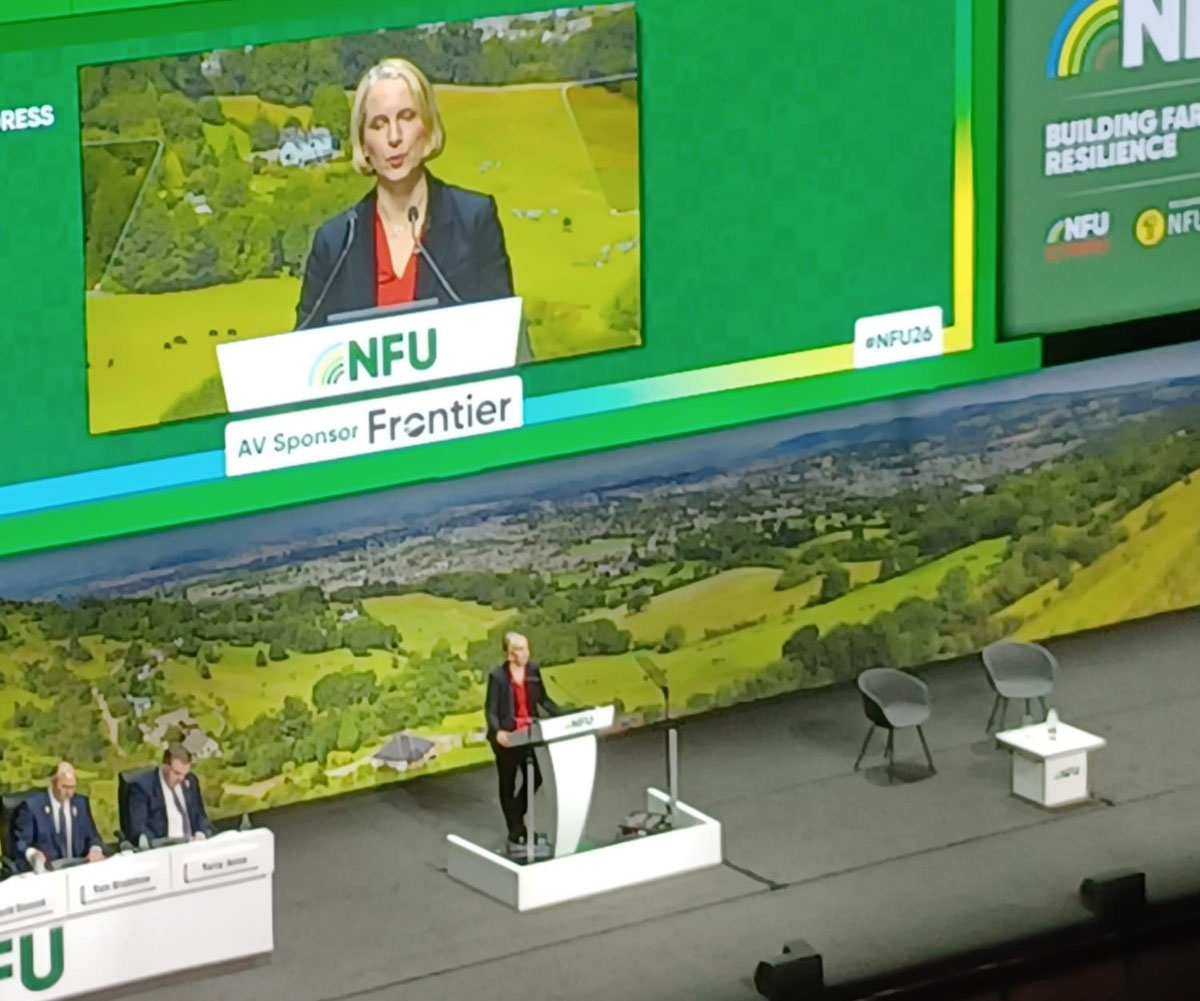
Environment Secretary Emma Reynolds’ keynote address concentrated on productivity funding and environmental reform
Concerns about rising poultry and egg imports, tariff policy and standards were brought into focus during trade discussions at the NFU Conference, as industry representatives examined the pressures facing domestic producers.While Environment Secretary Emma Reynolds’ keynote address concentrated on productivity funding and environmental reform, the subsequent trade session turned attention to the UK’s growing agrifood trade deficit and the impact of import flows on sensitive sectors, including poultry and eggs.NFU trade representatives told delegates that the UK’s agrifood trade deficit now stands at around £3.5 billion per month, with imports rising faster than exports over the past decade. They highlighted particular concern in sectors where domestic self sufficiency has declined while imports have grown.During the presentation, the extension of tariff free access for Ukrainian agricultural products was cited as an example of the balance ministers must strike between international support and domestic competitiveness. The UK has granted Ukraine temporary tariff free access following Russia’s invasion, a policy recently extended for a further two years.Speakers made clear that the sector supports Ukraine, but warned that even during wartime the country remains a major global exporter of chicken and has been increasing egg sales into the UK market. They described the measure as carrying “significant risks” for sensitive sectors at home if not carefully managed.The poultry industry has faced sustained cost pressures in recent years, including feed and energy inflation and disease challenges. Against that backdrop, delegates heard that additional volumes of imported product can intensify competition in a market where margins remain tight.Questions from the conference floor reflected wider unease about standards in trade agreements. One farmer asked whether government would ensure that imports under future trade deals meet environmental and animal welfare standards equivalent to those required of UK producers.In response, industry representatives emphasised that fairness in trade is central to ongoing discussions with ministers, but acknowledged that trade negotiations are complex and involve wider economic considerations. Reference was made to the Trade and Agriculture Commission, which examines whether new free trade agreements risk undermining UK food safety, environmental and animal welfare standards.No new commitment to mandatory equivalence was announced during the session. However, speakers stressed that if domestic standards continue to rise, maintaining a level playing field will be critical for sectors such as poultry and eggs.The discussion formed part of a broader debate at conference about food security, resilience and competitiveness. While export growth was presented as an opportunity for some sectors, delegates questioned how that ambition aligns with concerns over declining production in others.As trade negotiations continue and tariff arrangements evolve, the poultry and egg sectors remain closely watching how government balances open markets, international commitments and domestic production capacity.