

Permitted Development Changes Receive a Mixed Reaction from Producers
Published on : 30 May 2024
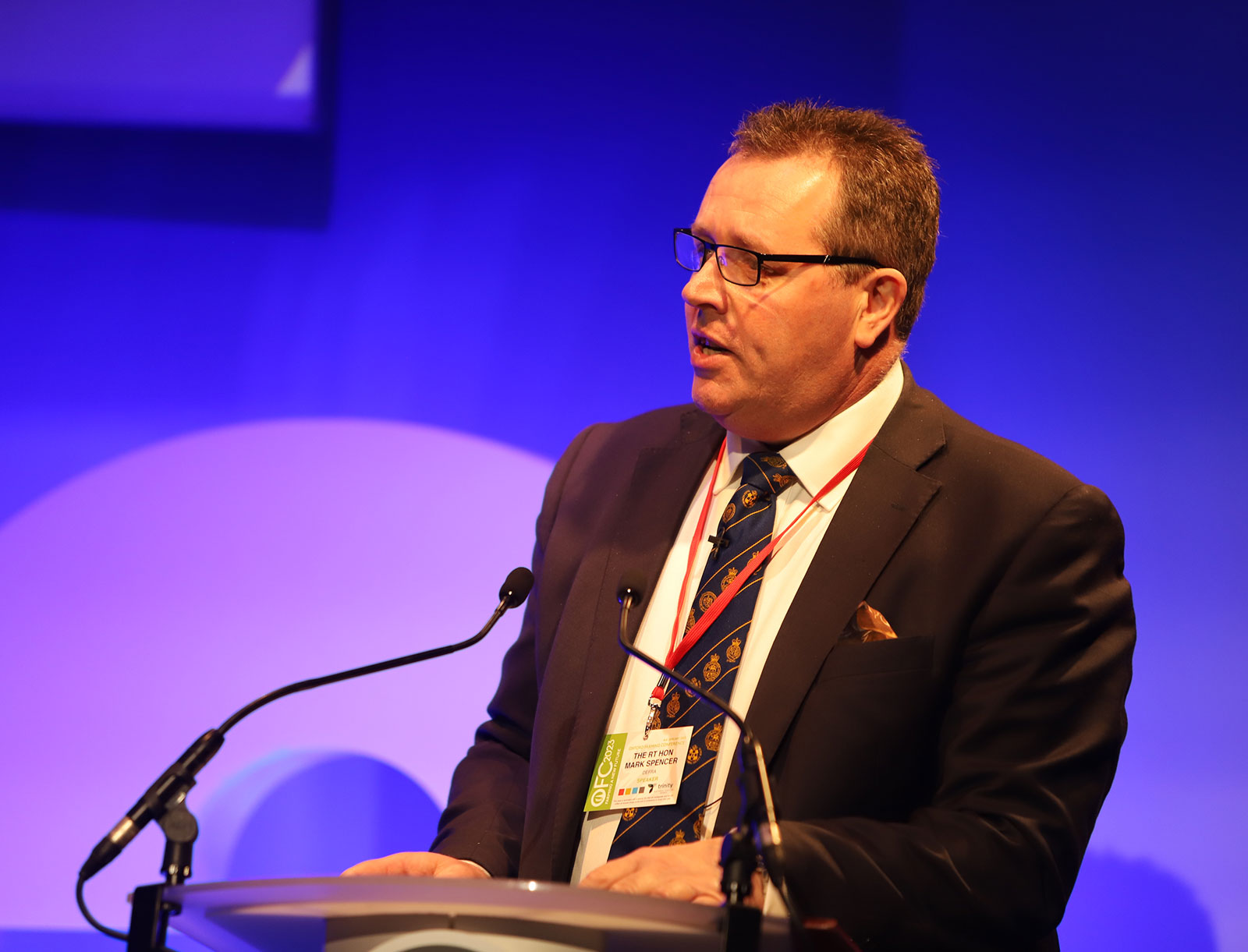
“We are listening to farmers and putting them at the heart of future development of our rural areas...” said Farming Minister Mark Spencer
New legislation offers some farmers the potential to apply for new agricultural buildings for a fraction of the cost of full planning permission. The changes increase the maximum area allowable for development by 50%, from 1,000m² to 1,500m². However, there has been some disappointment from the farming sector that livestock buildings do not benefit from the change, remaining at the current 1,000m² threshold. “I am extremely pleased to support our farmers and provide them the freedom to decide the best uses for buildings on their land, without needless bureaucracy holding them back” says Farming Minister Mark Spencer.“We are listening to farmers and putting them at the heart of future development of our rural areas. Helping farmers secure their businesses and get on with the important job of producing food is our top priority.”Planning consultant Ian Pick suggests the savings to the farmer could be substantial. Under permitted development for a 1,500m² site the council fee is £120, whereas on a full planning application it rises to £4,992. “If you apply for a new build on a full planning application with the plethora of technical assessments which the council may ask for, you could be spending thousands just for the planning permission” says Ian. If you are able to put it through as a prior notification, then it might only cost you around £1,000.” Buildings which house livestock are excluded from the changes, meaning that the most an egg producer could build under permitted development legislation is 1,000m², the rough equivalent of a 9,000 bird unit. Other agricultural uses are allowed though, so a new building could be used for processing, storage or training.“The announcement from Defra and the Department for Levelling Up, Housing and Communities will greatly support the modernisation, expansion and diversification of farms across the country” says NFU Vice President Rachel Hallos.“These changes are essential opportunities for farmers who wish to diversify their business, allowing them alternative streams of income and the ability to further support their local rural economy.”“However, it is disappointing to see that livestock buildings remain excluded from the changes. While it's good news that Class Q rights, which allow farmers to convert agricultural buildings into homes, are being expanded as the NFU has long asked for more rural housing, it's also disappointing that these will not be extended to protected landscapes either. These areas are often the hardest for new housing to be developed on and opening up this option for farmers could significantly benefit their local communities.”Up to now, few poultry farmers have chosen to exercise their options under previous permitted development rules due to their small size. Initially only 465m² was allowed when the scheme was created, rising to 1,000m² five years ago.Applying for permitted development gives the council a maximum of 28 days to object to any proposed changes. The onus is on them to satisfy themselves that a site passes a number of checks. In the case of a prior notification for livestock, specifically the development must be 400m from the nearest protected dwelling. Ian explains that a protected dwelling is a private residence which is not linked to agriculture. For example, neither a farm cottage or a neighbouring farmhouse within 400m would be classed as a barrier to development. However, councils do have the right to object is the site isn’t deemed suitable.Checks required for permitted development sites• The holding must exceed 5 hectares. • Floor area of building must be 1,500m² or less.• Buildings used for livestock are only permitted to a maximum size of 1,000m².• The height of the building must be under 12m, or under 3m if within 3km of an airfield. • The building must be more than 25m from a classified road. • If the development is for livestock the site must be more than 400m from the nearest protected dwelling.