
Laying hens dominate RSPCA Assured scheme, annual review figures show
Published on : 16 Jul 2026
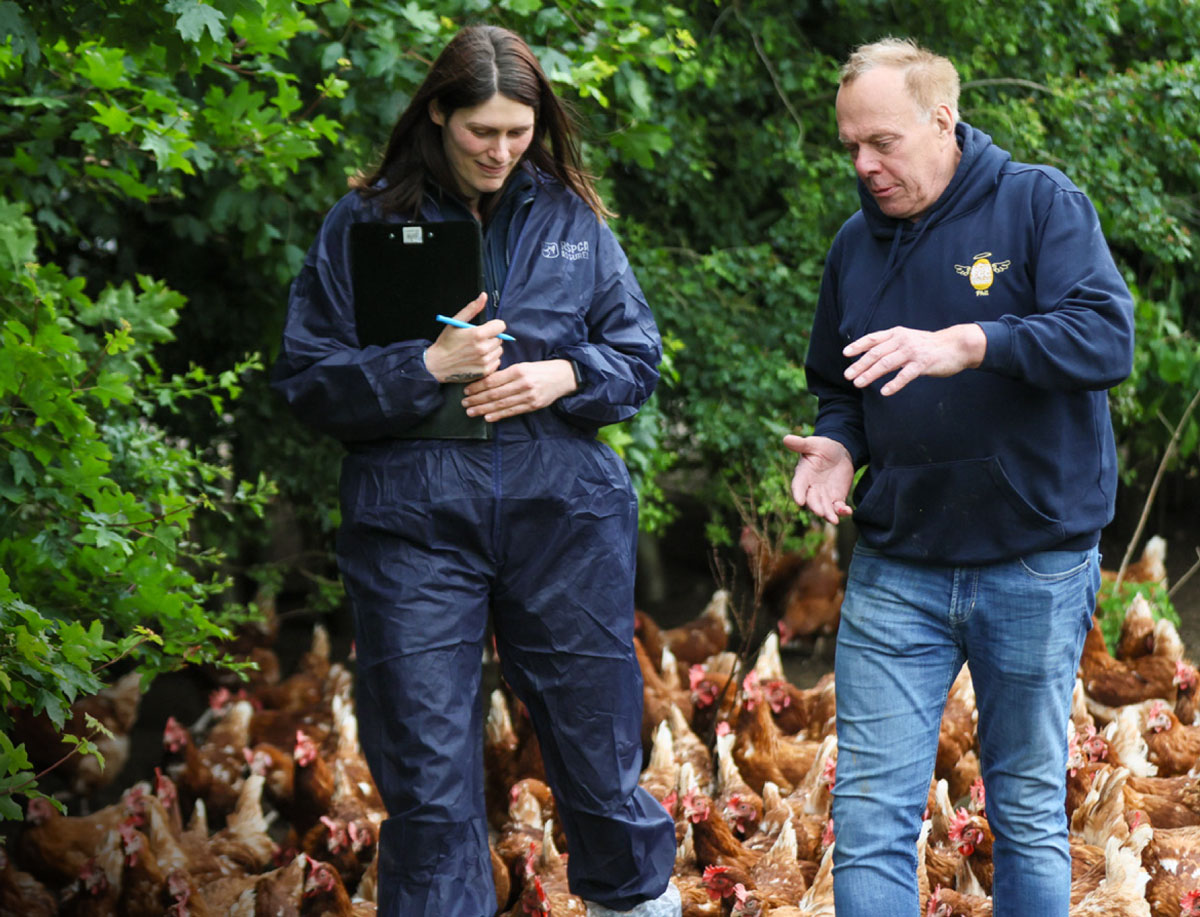
The review does not cover the operational detail of standards compliance...
RSPCA Assured's Annual Review 2025, published this month, sets out species-by-species figures for the scheme's coverage across the UK — and laying hens account for the largest single share by a wide margin.The charity puts 32,491,672 laying hens on its books for 2025, measured against a Defra total of 42,703,380 laying hens kept across the UK. That works out at 76% market penetration - easily the highest of any species on the scheme, and enough on its own to account for nearly half of the 67 million animals RSPCA Assured says it covers, from beef cattle to salmon. Meat chickens, the other bird the review credits with driving this year's growth, tell a very different story: 4.2 million on the scheme against a Defra total of 121 million, a penetration rate of 3.46%.That 76% figure comes with a footnote. RSPCA Assured states that "both the Defra and RSPCA Assured figures include laying hens and pullets reared for eating." The comparison is internally consistent - both sides of the sum are built the same way - but the 32.5 million is not a count of hens in lay. It is hens and pullets together, and the review doesn't split them out.Nor does it split out eggs when it comes to money. RSPCA Assured says products carrying its mark reached a 10% market share in 2025, up three points on the year before, with consumer spend on RSPCA Assured-labelled goods put at £1.1 billion. But that figure spans "eggs, salmon, trout, chicken, ham, gammon and pork, bacon, lardons and sausages," according to the charity's own footnote - one number covering eight product categories, with nothing to show what share of it eggs are actually carrying. M&S, Sainsbury's, Tesco, Co-op, Lidl, Ocado and Aldi are all listed as stocking RSPCA Assured product, and Noble Foods, the egg producer and packer, is named among the "key members" listed in the review, alongside businesses from the meat and salmon sectors.The review does not cover the operational detail of standards compliance. There's nothing on the 2025 laying hen welfare standards, nothing on the natural daylight requirements that started phasing in from July, nothing on how multi-tier or aviary systems are being assessed under the new rules. The year's operational headlines - a 34% rise in farm visits, a 30% rise in short-notice visits, a new investigation team, a rebrand that RSPCA Assured says has lifted public awareness to 52% (with 68% of that group saying they trust the label) - are all reported at scheme-wide level. None of it is broken down by species. RSPCA Assured has said the sector detail will come later in the year, in a separate Impact Report.On finances, total income rose to £6.6 million in 2025, from £6.3 million the year before, but expenditure on charitable activities grew faster still, from £6.4 million to £7 million, leaving a reported deficit of £0.4 million - the second deficit in as many years, following a smaller shortfall of £0.1 million in 2024. RSPCA Assured attributes this to planned investment, including growing its assessor team and taking average staff numbers from 64 to 75, and says reserves remain at a healthy level. The audited accounts are due on the Charity Commission register by the end of September 2026.RSPCA Assured has said the species-level detail behind these figures - including any breakdown by sector of the £1.1 billion spend, and assessment outcomes specific to egg farms - will feature in its Impact Report later in 2026.Source: RSPCA Assured, Annual Review 2025