
Housing order declared for England from 13 November
Published on : 11 Nov 2026
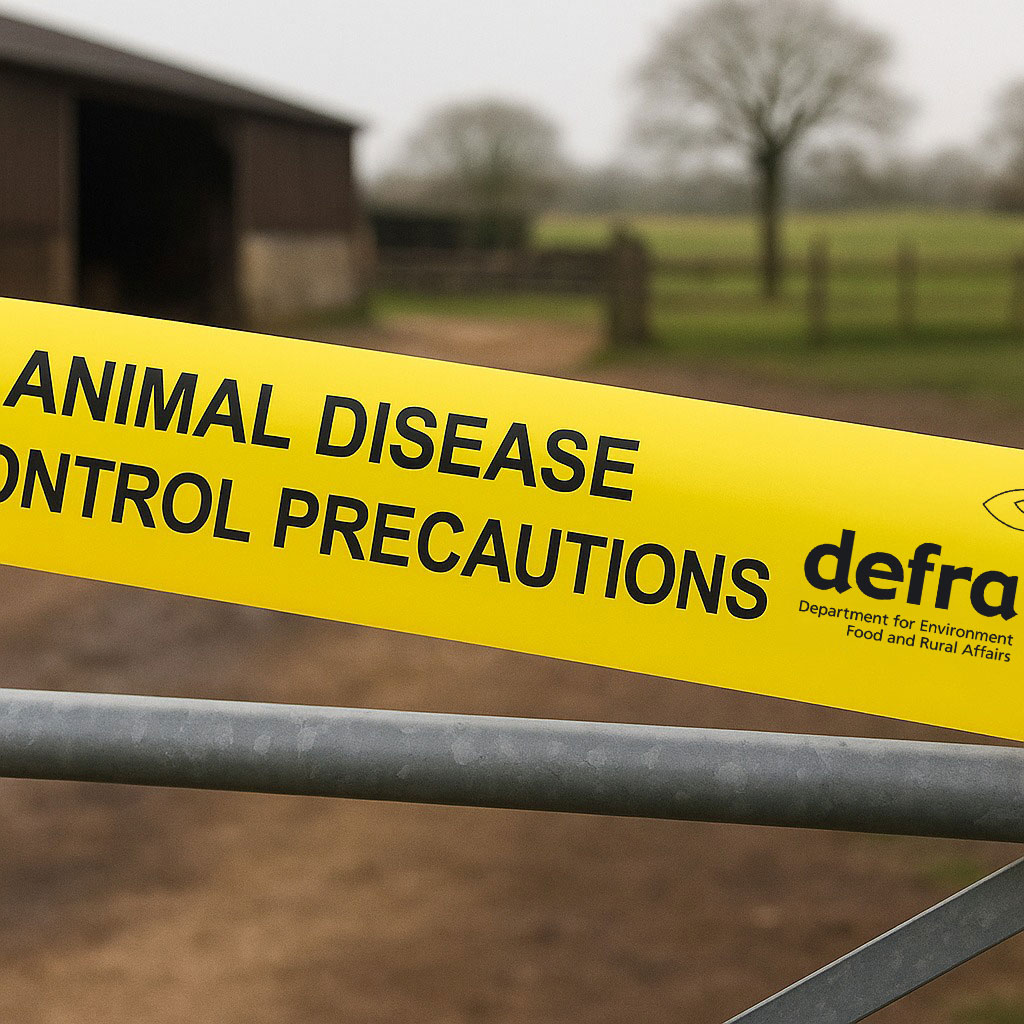 Poultry and captive birds across England must be housed from 00:01 on Friday 13 November, after the UK Chief Veterinary Officer ordered a mandatory housing order and declared an England-wide Avian Influenza Prevention Zone (AIPZ).The housing order applies to keepers of 50 or more birds and to anyone who sells or gives away eggs, poultry products or live birds, with limited exceptions such as some zoo birds. The UK Chief Veterinary Officer, Christine Middlemiss, ordered it after the risk increased and confirmations of highly pathogenic avian influenza in kept birds and findings in wild birds escalated.The England AIPZ came into force immediately and applies to all keepers, from pet and backyard flocks to commercial units. Its enhanced measures include reporting changes in egg production, mandatory record keeping, disinfecting footwear and regularly cleansing and disinfecting housing and concrete walkways.England measuresAll bird keepers in England must cleanse and disinfect clothing, footwear, equipment and vehicles before and after contact with birds, using disposable protective clothing where practical. They must reduce the movement of people, vehicles and equipment to and from bird areas to minimise contamination from manure, slurry and other products. Vermin control must be carried out wherever birds are kept, and housing must be regularly and thoroughly cleansed and disinfected. Fresh disinfectant at the right concentration must be kept at all farm and poultry house entry and exit points. Keepers must minimise direct and indirect contact between their birds and wild birds, keep feed and water out of wild birds’ reach, keep birds in fenced or enclosed areas and prevent access to ponds and watercourses.Christine Middlemiss said: “Bird keepers are urged to comply with the housing measures and to exercise robust biosecurity, remaining alert for any signs of disease and reporting suspected disease immediately to the Animal and Plant Health Agency.“Having avian influenza confirmed in your flock can be devastating. I understand the impact this disease can have on the poultry sector and am extremely grateful for the continued cooperation of the industry.”The risk to human health remains very low. The Food Standards Agency says properly cooked poultry and poultry products, including eggs, are safe to eat.ScotlandA Scotland-wide AIPZ has been in force since 12 noon on Tuesday 10 November. Scottish Ministers declared it under the Avian Influenza and Influenza of Avian Origin in Mammals (Scotland) Order 2006, after a risk assessment. Failure to comply may be an offence under the Animal Health Act 1981, with a maximum penalty of six months’ imprisonment, a level 5 fine or both. The Scottish declaration does not require birds to be housed. Scotland’s most recent outbreak was confirmed near Biggar in the Scottish Borders on 2 November.All keepers in Scotland must disinfect equipment, vehicles and footwear and place disinfectant foot dips at every entry and exit point to bird areas. They must store feed, water and bedding under cover, away from wild birds and rodents, and carry out rodent control. Ducks and geese must not share a pen or building with other species. Movements into bird areas are restricted to health and welfare checks, egg collection, restocking or slaughter, feeding and bedding, and official inspections. Records must be kept of all vehicles entering and of everyone in direct contact with the birds. Separate records are required of birds and eggs leaving the premises, including quantity, egg type, date, destination and buyer. Buildings must be inspected regularly for holes and leaks and repaired without undue delay.Keepers whose birds have outdoor access must fence the range and keep ducks and geese off ranges used by other birds. They must also actively discourage wild birds, particularly gulls and wild waterfowl, from entering the range and remove wild bird carcases. Open water and waterlogged land must be fenced or netted off. Feed and water must be kept indoors, and birds must be fed indoors or under cover.Keepers of more than 500 poultry in Scotland must restrict access to essential personnel, with a change of clothing and footwear on entry and exit. Vehicle wheels and wheel arches must be cleansed and disinfected on entry and exit, and plastic egg trays cleansed and disinfected before use. Records must cover visitors, bird numbers, illness, deaths, feed and water consumption and egg production. Wild game birds must not be fed within 500 metres of the premises. These keepers must notify the Animal and Plant Health Agency immediately in any of these cases:Clinical signs that could be linked to avian influenzaDaily illness or deaths at three times the normal rate or moreA drop of more than 5% in daily egg production against the previous week’s averageA drop of more than 5% in daily feed or water intake against the previous week’s averageBFREPA responseGary Ford, BFREPA’s head of strategy and producer engagement, said: “We welcome the housing order and the implementation of an AIPZ in England as sensible measures. We have been calling for a housing order for the last two weeks and we are very pleased that Defra have listened. Hopefully this news will bring some comfort to free range producers across England.“Given the increasing risk combined with the time of the year, it would be expected that all poultry keepers are operating at this level of biosecurity and hygiene.“We urge our members to sign up to the Poultry Biosecurity Review – a government-funded veterinary-led scheme providing tailored, site-specific advice to help poultry keepers reduce disease risks, particularly avian influenza, and improve flock health and welfare.”