

Don’t let the heat catch you out: ventilation and standby power checks
Published on : 25 Jun 2026
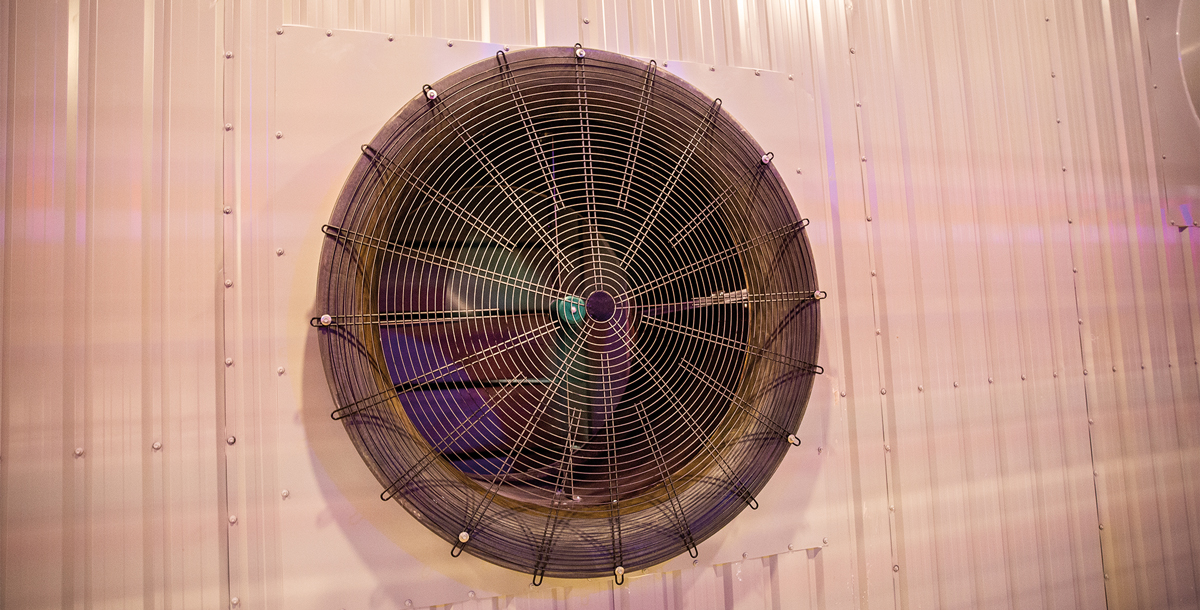
Check fans properly rather than just confirming they spin. Look at belts and bearings, listen for anything labouring, and clean the blades and guards.
With the Met Office running Red and Amber extreme heat warnings and June temperature records expected to fall, this is the week to walk the sheds and check that the kit keeping your birds cool will actually do its job.What makes this spell different from the dry heat of 2022 is the humidity. Dew points well into the twenties mean hens cannot shed heat as easily through panting, and a run of “tropical nights” - when temperatures stay above 20°C - denies birds the overnight recovery they would normally get. Add it together and the margin for error is thin.Laying hens are comfortable somewhere around 18–24°C. Push much beyond that and feed intake drops, shell quality slips, water demand rockets and, in the worst case, you start losing birds. None of that is news to producers. The point is that the equipment standing between a warm shed and a welfare disaster is easy to take for granted until the day it is asked to perform.Ventilation: do the unglamorous checksFans are the obvious place to start, but check them properly rather than just confirming they spin. Look at belts and bearings, listen for anything labouring, and clean the blades and guards. A film of dust on blades and shutters can knock a surprising amount off the air an extractor actually moves, and that loss is invisible until you measure it. Make sure inlets are clear and opening freely across their full range, and check air speed at bird level rather than assuming the roof reading tells the whole story.If you run foggers, misting or pad cooling, test them before you need them and clear any blocked nozzles. Check that temperature probes are sited at bird height, reading true, and that your min/max settings are sensible for the conditions forecast rather than the ones you set in spring. Don’t overlook the rearing sheds - young pullets are no less vulnerable to heat than the laying flock.Standby power: the one that kills flocksOf everything on this list, standby power matters most. In a controlled-environment house, a power cut on a hot day stops the fans, and birds can be lost within minutes. A generator that starts is not the same as a generator that works. Test it under load, not just on a no-load run, and confirm the automatic changeover actually picks up the shed without someone standing over it.Check the fuel tank is full and that the fuel is sound - diesel degrades, and condensation and “diesel bug” can foul a tank that has sat untouched since last summer. Confirm the starter battery is charged and holding, and that oil, coolant and filters are where the service schedule says they should be. If your house relies on fail-safe drop-out ventilation or chimney flaps that release on power loss, physically test that they open. Mechanisms seize.Alarms and waterAn alarm system is only worth having if the call reaches someone who can act. Test your high-temperature and power-failure alarms, check the backup battery, and make sure the autodialler or text alert lands on a phone that is switched on and answered - including overnight and at weekends. Run the test so a person genuinely receives it.Water deserves the same attention. Intake can more than double in heat, so check flow rates at the drinkers and flush lines through the day to keep the water cool, since birds drink less of it when it is warm. Remember that your pumps and header arrangements depend on power too, which loops straight back to the generator.None of this takes long. A thorough walk-round of fans, cooling, standby power, alarms and water is perhaps half an hour per site - cheap reassurance for the work it does.When it happens anywayEven on a well-run unit, things go wrong that no walk-round could have prevented. Equipment fails without warning, the grid drops, a component that was sound last week gives out today. The checks above shorten the odds; they do not remove them. When something fails despite everything being in order, the answer is insurance.It is worth reviewing your cover now rather than after the event. Check what your policy says about consequential loss of livestock and business interruption, what the limits are, and whether it carries conditions around standby power, alarms or servicing records. Some policies do, and knowing where you stand before a hot spell is a great deal easier than discovering it midway through a claim. Done now, that conversation with your broker is reassurance; done later, it is regret.