

Creosote restrictions tighten as UK moves toward phased withdrawal
Published on : 20 May 2026
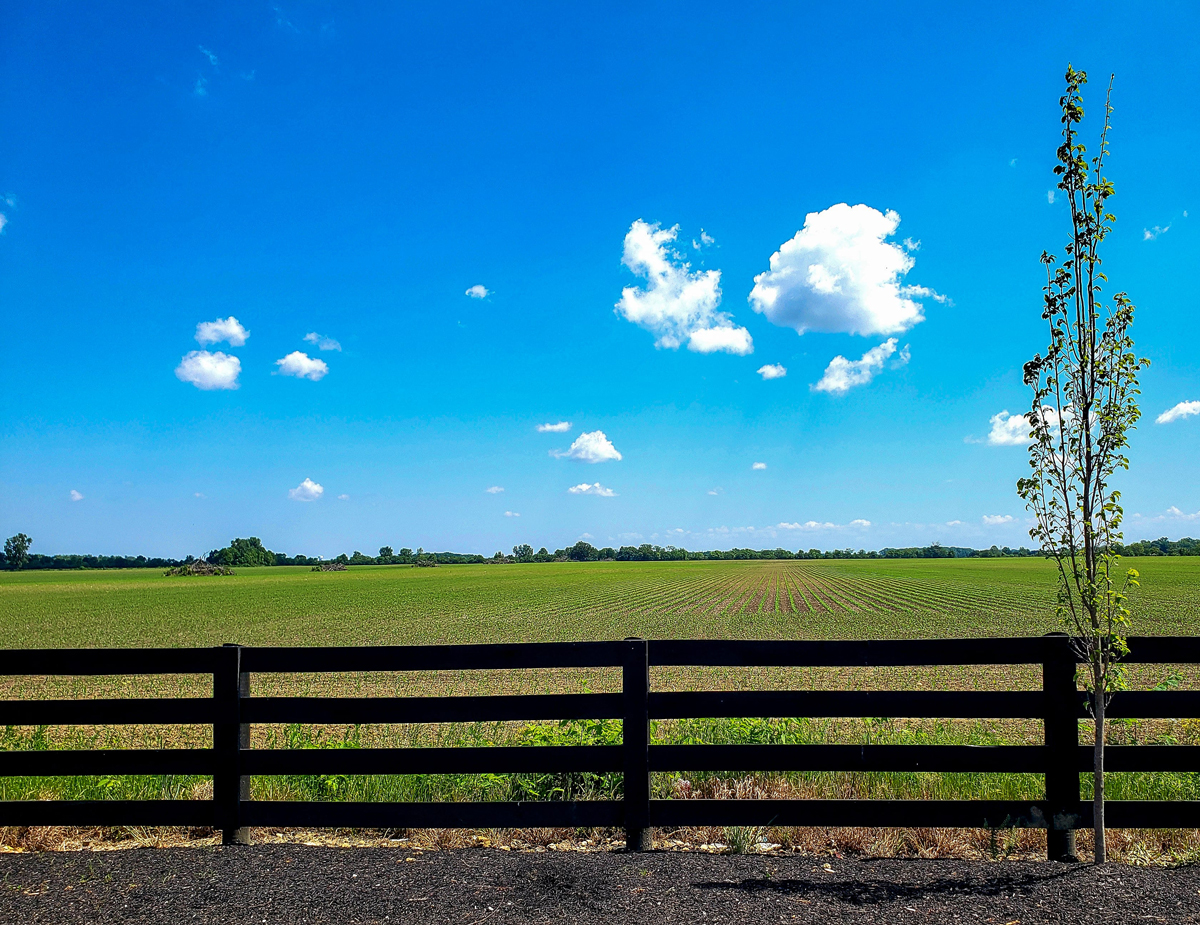
Creosote has been widely used for decades because of its long service life and strong resistance to rot, moisture and insect attack...
The UK’s long running use of creosote treated timber is facing its most significant regulatory tightening in years, with new rules set to sharply reduce where the preservative can still be legally used from 2027 onwards.Under updated approvals issued through the Health and Safety Executive (HSE) under the GB Biocidal Products Regulation, creosote will remain authorised only for certified professional and industrial applications, including railway sleepers, utility poles and certain safety critical fencing systems.For the general public, the rules are already far stricter. Creosote treated timber cannot legally be sold for domestic or amateur use, including garden fencing, landscaping, sheds or other DIY applications. Members of the public are also prohibited from applying professional grade creosote products themselves.The renewed approval runs until 31 March 2033, but major restrictions are due to take effect from April 2027, effectively ending many traditional commercial and agricultural uses that have historically relied on creosote treated timber.The changes mean creosote treated products will no longer be permitted to be newly placed on the market for a wide range of applications including general fencing, landscaping timbers, tree stakes and many non safety critical agricultural uses.Industry suppliers say the new framework represents a major shift in the market, even though the preservative itself has not been fully banned.The HSE said continued approval was granted only where no technically or economically viable alternatives currently exist for certain infrastructure and safety critical uses.Creosote has been widely used for decades because of its long service life and strong resistance to rot, moisture and insect attack, particularly in demanding outdoor environments. Railway infrastructure and utility networks have remained among the largest users due to the durability requirements placed on timber assets exposed to harsh weather conditions.However, the preservative has faced increasing regulatory scrutiny because of concerns linked to polycyclic aromatic hydrocarbons (PAHs), some of which are classified as carcinogenic.Restrictions on public access to creosote products have already been in place for several years, but the latest changes significantly narrow the scope for professional use as well. Under the updated rules, remaining authorised uses are limited to trained professional operators working within tightly controlled industrial settings.Additional controls are also being introduced around storage, handling and environmental protection. These include tighter requirements on personal protective equipment, impermeable storage areas and restrictions relating to watercourses and public contact with treated timber.The fencing sector is expected to be among the areas most affected, with suppliers increasingly moving toward alternative treatment systems and modified timber technologies ahead of the 2027 deadline.Some manufacturers have already warned that the latest decision signals a gradual long term withdrawal of creosote from mainstream commercial timber markets, despite the remaining exemptions for infrastructure applications.Questions also remain over future reviews beyond 2033, with regulators expected to continue assessing whether viable alternatives become available for the remaining permitted sectors.For infrastructure operators and specialist contractors, the changes are likely to increase attention on procurement standards, timber specification and long term maintenance planning as the regulatory environment continues to tighten.