Check your cover before the birds go into rear
Published on : 4 Sep 2026
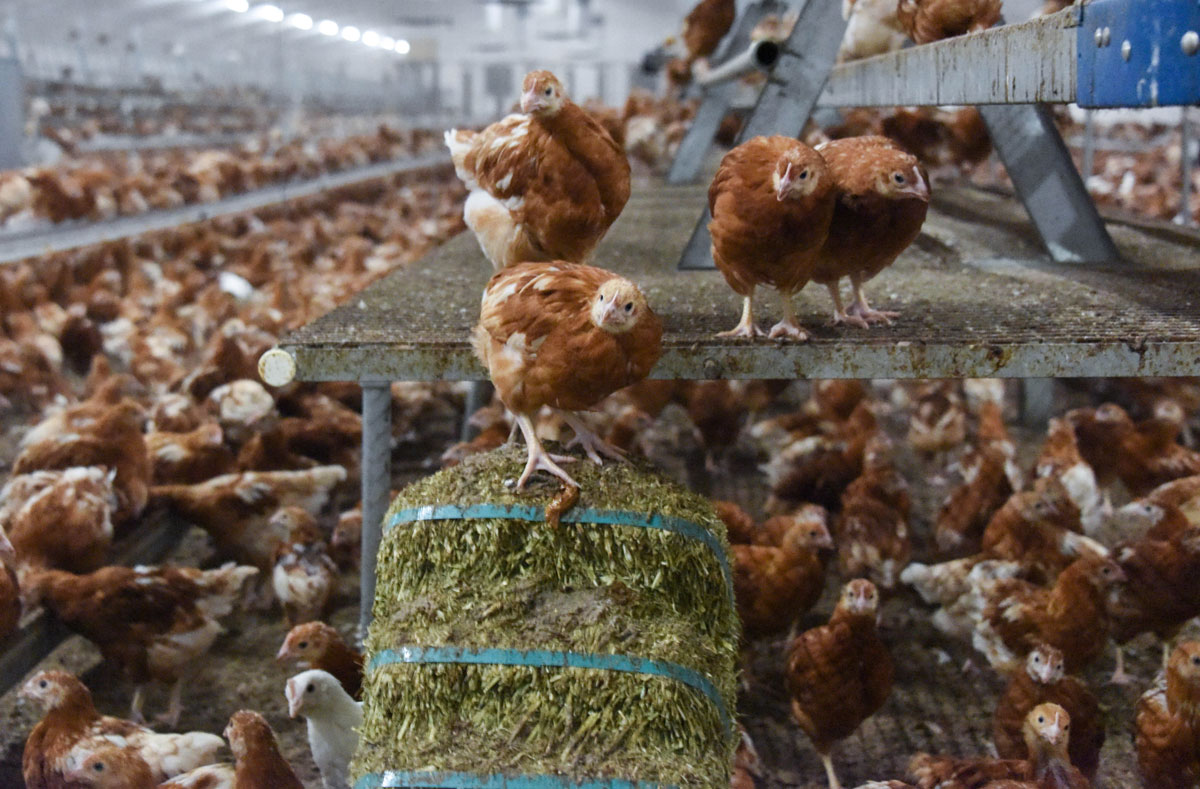 Pullets are not your property in the eyes of an insurer until they arrive at your shed, however long ago you paid for them, so a flock lost in rear to avian influenza, salmonella or Newcastle disease can leave a producer with no claim to make and nothing to fall back on beyond the supply agreement. The birds sit on somebody else’s site, under somebody else’s policy, for the whole of the rear period. It is the one gap producers have no cover for at all, it is becoming more common than people think, and nobody places a flock assuming it is going to happen to them.A farm combined policy reads as though it covers the birds, and it does, once they are yours and standing in your shed, but the business interruption section works the same way, responding where an insured peril damages your own property and stops the business, so a shed standing empty because a flock never turned up, with nothing whatsoever wrong at your farm, does not trigger it. That is the material damage proviso sitting in front of the business interruption wording, and it is the part of the policy producers tend not to read until they need it.The exposure runs a good deal further than the value of the birds themselves, because the money is already committed, the shed is standing empty on the date the flock should have arrived, the fixed costs carry on and the packer still expects the volume, so a flock lost in rear can leave a unit empty for months rather than weeks, and it is that empty period rather than the price of the pullets that does the real damage to the cashflow.The damage does not always show up as an empty shed either, because a producer who cannot get replacement birds on the date the flock was due is left running the old flock on well past the point where it should have gone, and shell quality falls away as the birds get older, so a rising share of the output goes down as seconds at a fraction of the price whilst the feed bill and the standing charges stay exactly where they were. It is a loss that arrives quietly, spread across every collection rather than landing in one hit, and it runs for as long as the old flock has to be kept on.The questions are worth putting to your insurance company in plain terms before the next placement, starting with whether your own stock is insured whilst it sits on the rearer’s site, what that cover responds to and whether disease on the rearing unit is included, up to what value the birds are insured, whether there is anything in the policy that pays towards lost production whilst you wait for a replacement flock, whether that would extend to output downgraded to seconds off an old flock held on rather than to an empty shed, and how long any such payment runs. Your rearer is worth the same questions about their own policy, because their cover will be written around their business and not around your investment.The supply agreement deserves the same reading, because most pullet contracts carry a clause excusing non-delivery where the failure sits outside the rearer’s control, some cap liability, and a good many say nothing about what happens to money already paid or to a producer’s place in the queue when a flock is lost. Whether much of that can be changed is another matter, because there is not a great deal of negotiating room when birds are this hard to come by, but it is still better to know where you stand before a flock is lost than to find out afterwards. A replacement has to be reared from day old in any case, so a producer who loses a flock part way through rear goes to the back of a queue that is already long, with free range availability booked through to late 2027 and into 2028, and the wait can run into many months when demand is high.Speak to your insurance company and make sure you are covered when the birds are in rear, because we are seeing more producers lose out through no fault of their own.