

BFREPA responds to latest Government caged egg data
Published on : 29 Apr 2026
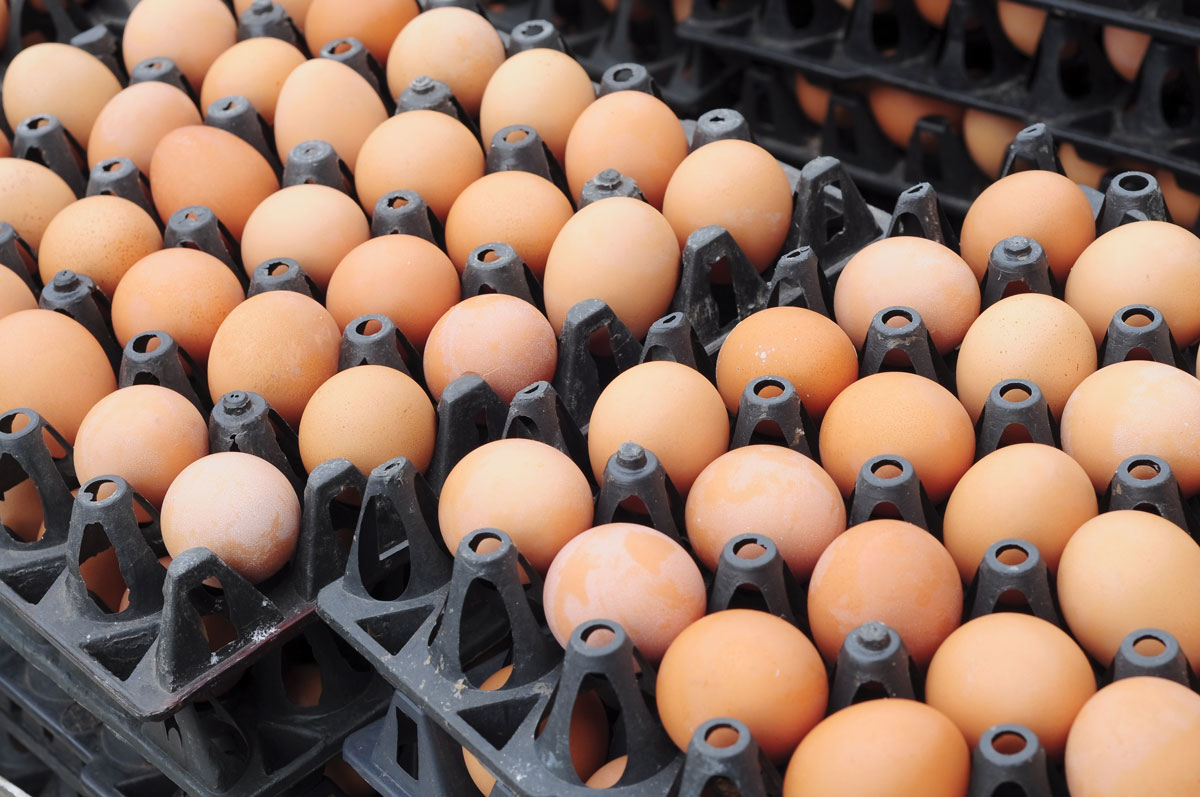
BFREPA is calling on the Government to address this issue directly and ensure that any policy change does not disadvantage UK farmers.
The British Free Range Egg Producers Association (BFREPA) has urged the UK Government to take a measured and practical approach to any proposed ban on colony cages, warning that the egg industry remains a cornerstone of the rural economy and that poorly managed change risks serious disruption.BFREPA stressed that if a ban is to proceed, it must be supported by a realistic transition period alongside urgent reform of the planning system. The association highlighted that planning permission continues to be one of the most significant barriers to developing new cage free systems, with producers facing long delays, high costs and inconsistent decision making.The organisation said the current system is not fit for purpose and called for reforms that would enable timely investment in new housing. It added that aligning any transition with the EU’s proposed 10 to 20 year timeframe would be far more practical for UK producers.BFREPA warned that expectations to rehouse more than five million birds currently kept in enriched colony systems by 2032 are simply not achievable under current conditions.The association also raised concerns over the potential unintended consequences of a domestic ban, particularly the risk of increased imports of eggs and egg products produced in caged systems overseas. BFREPA said this would undermine British producers, compromise animal welfare standards and create an uneven playing field.BFREPA is calling on the Government to address this issue directly and ensure that any policy change does not disadvantage UK farmers.The association further urged ministers to uphold the commitments set out in the Animal Welfare Strategy for England 2025, including the pledge not to lower food standards and to maintain high animal welfare standards within trade policy. It also emphasised the importance of ensuring that overseas producers do not gain an unfair advantage at the expense of domestic production.