

Avian Influenza Vaccine Trials Begin in UK Poultry Study
Published on : 5 Mar 2026
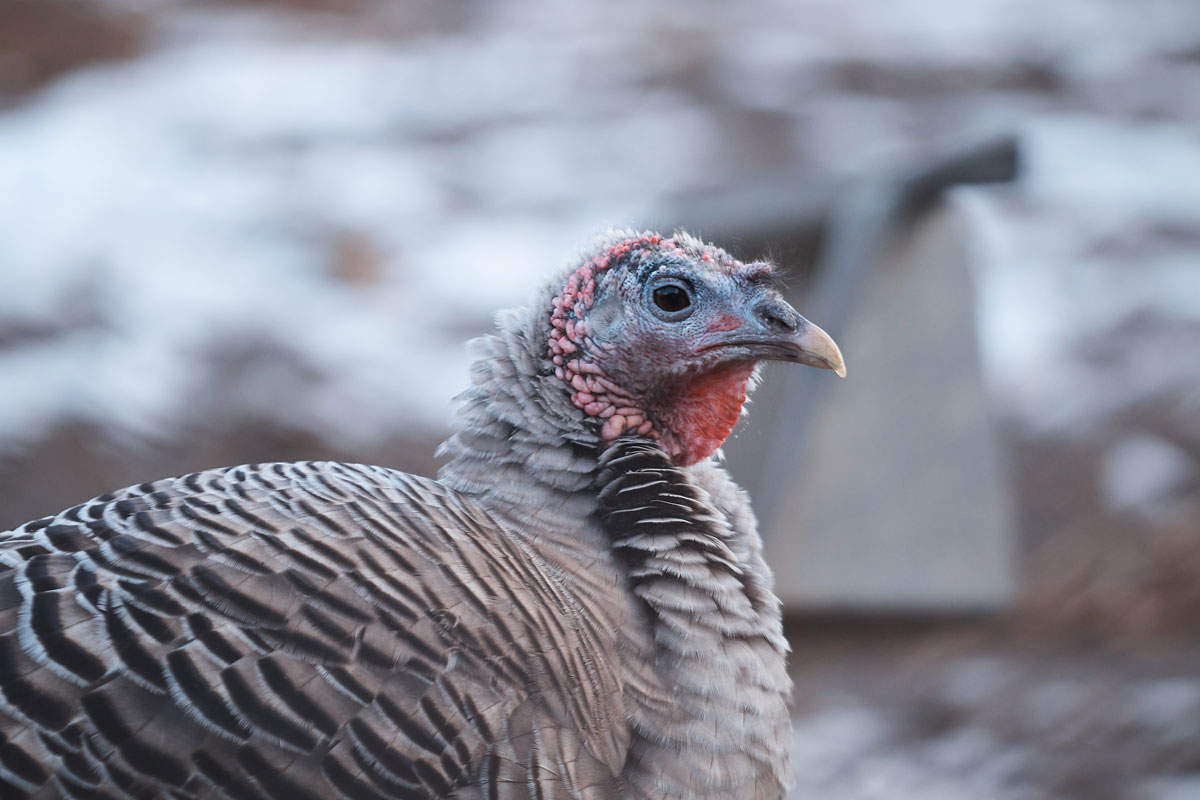 The UK has begun new trials to assess the potential role of vaccination in tackling avian influenza, marking an important development in the country’s ongoing effort to control the disease across the poultry sector.The research programme focuses on the use of existing avian influenza vaccines in turkeys, one of the poultry species most susceptible to the virus. The trial will examine how effectively vaccines can protect birds against highly pathogenic avian influenza, including strains such as H5N1, while also evaluating how vaccination might work alongside the UK’s existing disease control measures.The study involves a small group of birds monitored under strict conditions following approval from the Veterinary Medicines Directorate. Scientists will assess the immune response generated by vaccination and consider how vaccinated flocks could be monitored within national surveillance systems.Turkeys were selected for the trial because they are particularly vulnerable to avian influenza and often suffer severe symptoms and high mortality during outbreaks. Their sensitivity to the disease makes them a useful species for evaluating vaccine performance and understanding how vaccination might contribute to future disease control strategies.Avian influenza has caused major disruption to poultry production in recent years. Since 2020 the virus has circulated widely in wild birds and commercial flocks across Europe and beyond, leading to repeated outbreaks, large scale culls and significant financial losses for the sector.Despite the availability of authorised avian influenza vaccines in the UK and the European Union, routine vaccination of poultry is not currently permitted in the UK. Government policy has historically prioritised strict biosecurity, surveillance and rapid culling of infected flocks as the primary tools for controlling outbreaks.One of the major challenges surrounding vaccination is disease surveillance. Vaccinated birds can still become infected without showing clear symptoms, which can make outbreaks more difficult to detect unless specialised testing systems are in place. There are also concerns that vaccination programmes could affect international trade in poultry and poultry products if importing countries impose restrictions on vaccinated flocks.The trial follows recommendations made by a joint industry and government avian influenza vaccination taskforce, which called for targeted research to gather UK specific data on vaccine effectiveness, immunity duration and surveillance requirements before vaccination could be considered as part of national policy.Commenting on the trials, Gary Ford, Head of Strategy and Producer Engagement at BFREPA, said: “With nearly 100 cases of bird flu this season and over 80 the year before, we welcome and fully support the vaccination trial. Indeed, BFREPA is a member of the UK HPAI vaccination taskforce and have been feeding into the ongoing work. Whilst the trial is not in layers – and we do need an effective vaccine available for layers – the lessons learnt from the turkey trial will benefit the wider commercial poultry sector, including layers and pullets.”Government and veterinary officials say the study will help improve understanding of how vaccination could potentially be used alongside existing disease control measures. While vaccination may offer an additional tool in future strategies, authorities stress that strong farm biosecurity remains the most effective defence against avian influenza.The results of the research are expected to contribute to ongoing discussions about the possible role of vaccination in the UK’s long term approach to managing avian influenza in the poultry industry.