

Avian influenza report: 10 March 2026
Published on : 10 Mar 2026
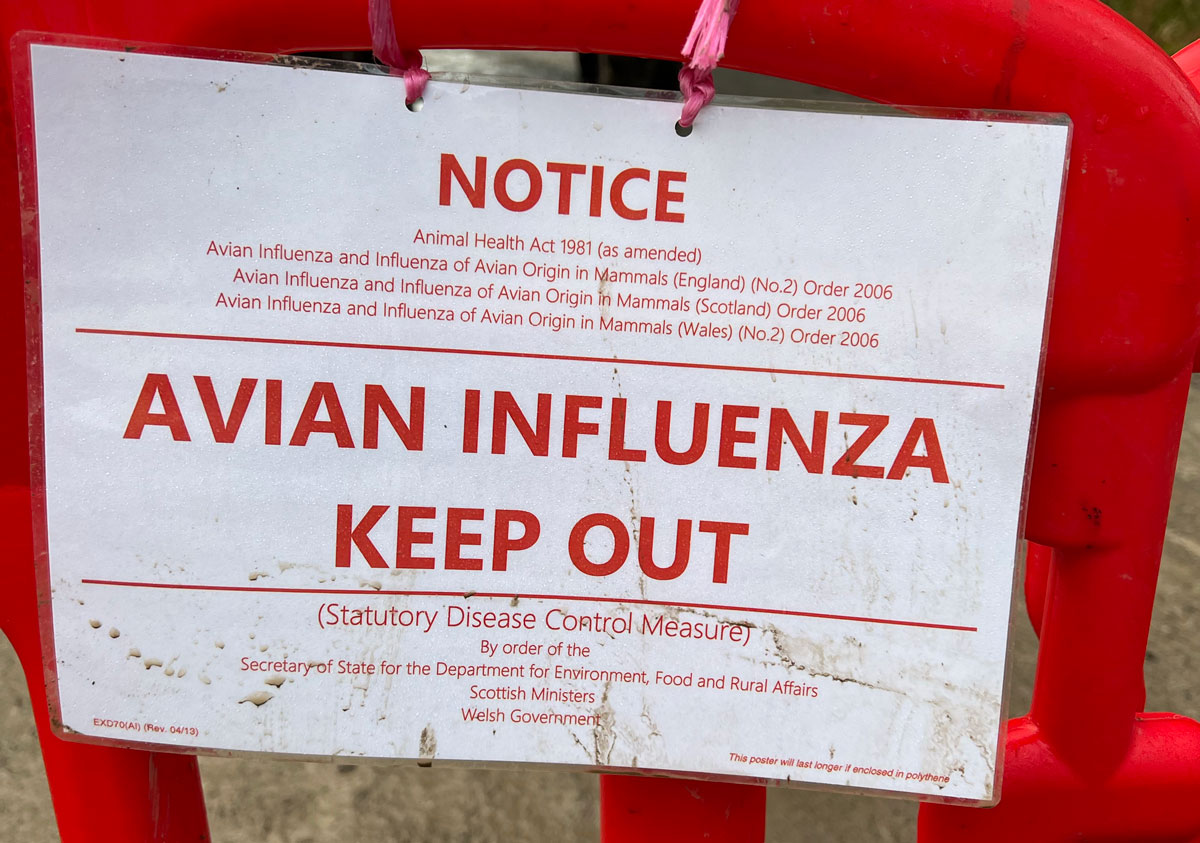 UKIn the UK, monitoring continues across both seabird and poultry populations. Recent reports indicate detections in seabirds. Officials note that the level of risk to poultry is not always directly linked to detections in seabirds. For example, risk levels may be high in seabird populations while remaining low in poultry. It is currently too early to determine whether infections detected in seabirds will spread into breeding colonies, although the situation is being closely watched.EuropeAn increased number of avian influenza cases are being reported across Europe. While this currently has no direct relevance to the UK poultry sector, Germany continues to report a high number of detections in wild birds. Disease presence in Spain is also being monitored due to migratory bird movements from the Iberian Peninsula into the UK and across Europe. Authorities are reviewing preparedness measures, including communications, licensing and contingency arrangements.Newcastle disease cases have also been reported in Europe. Attention has shifted from Poland to Germany, where nine poultry cases are now being reported. Poland is still reporting cases, and authorities continue to monitor the situation as part of wider regional disease surveillance.USAIn the United States, commercial poultry outbreaks increased in February, with 35 cases reported.Research into new approaches to avian influenza control is also continuing. Scientists at Kansas State University are investigating the use of mealworms commonly used in poultry feed as a potential delivery system for vaccines. The project involves using gene editing technology to enable mealworms to produce vaccine antigens. These insects could then be incorporated into poultry feed, allowing birds to receive vaccines during feeding. The project has received nearly $2 million in funding through the US Department of Agriculture’s Animal and Plant Health Inspection Service research programme.Other research is examining the role of dust in the spread of highly pathogenic avian influenza within poultry houses. At a 2025 Egg Industry Center forum, University of Missouri researcher Xuan Dung Nguyen said virus particles can attach to dust and remain infectious for up to 17 hours. Dust can also be carried through ventilation systems within poultry buildings. Technologies being examined to address this include electrostatic precipitation systems to remove airborne particles and UV C lighting designed to inactivate viruses.Policy discussions are also taking place around disease control measures. In Colorado, legislation known as the Modernizing Depopulation Act has been introduced that would prohibit the use of ventilation shutdown and ventilation shutdown plus for poultry depopulation during disease outbreaks such as highly pathogenic avian influenza.Ventilation shutdown is defined in the bill as a depopulation method in which a poultry house is sealed, air inlets are closed and fans or ventilation systems are turned off. This raises temperatures inside the building, causing birds to die from heat stress or hyperthermia. Ventilation shutdown plus involves the same process but with additional heat, humidity or steam added to increase temperatures more rapidly.If approved, the legislation would make it unlawful for poultry owners to directly or indirectly use these methods and would also prevent government agencies from ordering depopulation using them. The proposed law would take effect in July 2029.