
Avian Influenza Prevention Zone housing measures lifted as disease risk falls
Published on : 4 Jun 2026
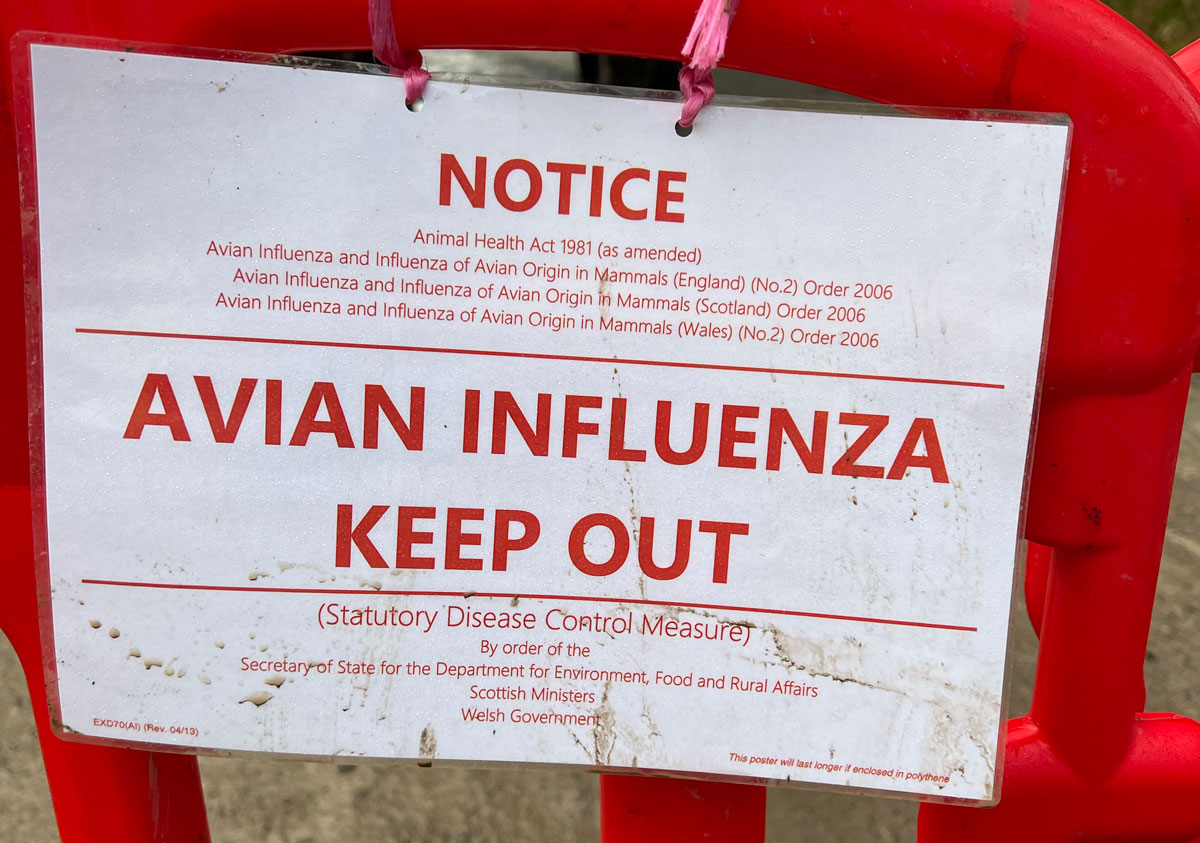
While the housing order has been lifted, the Avian Influenza Prevention Zone (AIPZ) remains in place across England
Mandatory housing measures for poultry and captive birds in England and Wales have been lifted following a reduction in the risk posed by avian influenza.The change took effect from 9 April, allowing birds to return to outdoor ranges unless they are located within a Protection Zone or Captive Bird Monitoring (Controlled) Zone where additional restrictions remain in force.Defra said the decision follows the latest epidemiological and scientific assessments, which indicate that the risk of highly pathogenic avian influenza (HPAI) in both wild birds and poultry has reduced.While the housing order has been lifted, the Avian Influenza Prevention Zone (AIPZ) remains in place across England. Bird keepers must continue to comply with mandatory biosecurity requirements designed to minimise the risk of disease transmission. These include measures such as disinfecting footwear, equipment and vehicles, maintaining effective vermin control and reducing opportunities for contact between captive and wild birds.The announcement comes just days after the launch of a new Poultry Biosecurity Review scheme under the Animal Health and Welfare Pathway. The scheme provides £430 towards a vet-led review of on-farm biosecurity measures, helping poultry keepers identify disease risks and strengthen protection against threats such as avian influenza. Eligible producers can receive funding for up to three reviews per site. Further information and applications are available HERE.Deputy UK Chief Veterinary Officer Jorge Martin-Almagro said that although the threat from avian influenza has receded, the disease remains present and producers must remain vigilant.He urged keepers to prepare outdoor areas before allowing birds access to ranges and to continue implementing rigorous biosecurity practices.The housing measures were originally introduced during the 2025–26 outbreak season as avian influenza cases increased in both wild and kept birds across Great Britain. A nationwide housing order came into force in England in November 2025, requiring many poultry keepers to house their birds indoors to reduce the risk of infection.Gary Ford, Head of Producer Engagement and Strategy at the British Free Range Egg Producers Association (BFREPA), welcomed the lifting of the housing measures but urged producers not to become complacent."This will be welcome news for free range egg producers who have worked hard to maintain high standards of bird welfare and biosecurity throughout the housing period. However, the lifting of housing measures does not mean the risk has disappeared. Avian influenza remains a significant threat and producers must continue to apply rigorous biosecurity measures to protect their flocks."The launch of the Poultry Biosecurity Review scheme is a timely reminder that prevention remains our best defence. We would encourage eligible producers to take advantage of the funding available and work with their vets to identify any opportunities to strengthen biosecurity on their farms."Bird gatherings, including fairs and markets, remain subject to licensing requirements, while keepers located within disease control zones must continue to follow any additional restrictions that apply locally.Defra continues to advise all bird keepers to maintain the highest standards of biosecurity and to report any suspected cases of avian influenza immediately. Current government assessments classify the risk of HPAI H5 in both wild birds and poultry as low, provided appropriate biosecurity measures are consistently applied.