
Artificial Intelligence to monitor laying hen welfare
Published on : 24 Aug 2026
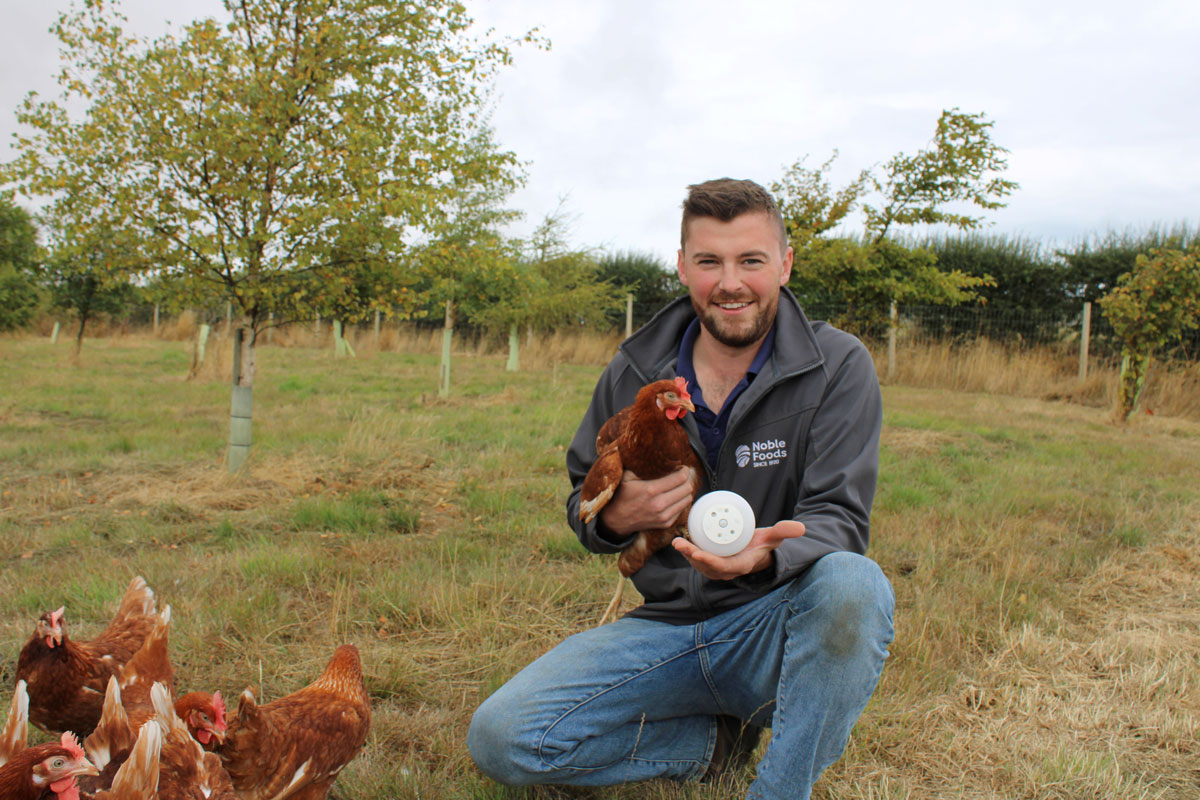
The project will trial a new acoustic welfare monitoring system designed specifically for laying hens
Noble Foods has launched a pioneering on-farm project to explore how acoustic technology can be used to better understand, monitor and improve the welfare of laying hens – marking a significant leap forward in evidence-led animal welfare in UK egg production.The project was made possible through a successful funding bid to Innovate UK, the UK’s national innovation agency, led by Emily Marshall, Agriculture Sustainability Manager at Noble Foods. The funding supports a two-year research-led trial designed to test how emerging agri-tech can be applied practically, credibly and at scale within a commercial laying hen environment.Developed in partnership with agri-tech specialists AgriSound and Aviasenze, and hosted on a working free-range farm in East Yorkshire, the project will trial a new acoustic welfare monitoring system designed specifically for laying hens – the first application of its kind within the UK egg sector.Alongside the free-range trial, Noble Foods is also testing the technology within one of its barn laying facilities. Evaluating the system across both housing environments will help determine how acoustic monitoring can be used to better understand bird welfare in different settings, providing valuable insight into flock behaviour, environmental influences and welfare indicators. The aim is to ensure the learning generated by the project is relevant to a broad cross-section of UK egg production.This marks the second collaboration between Noble Foods and AgriSound, following an earlier pilot that saw Noble become the first UK egg producer to trial bioacoustic pollinator monitoring on farm. Insights from that project helped inform how sound-based data could be applied more broadly within agricultural systems, including its potential to support animal welfare.The technology analyses the soundscape within poultry houses, using machine learning to identify patterns in flock vocalisations and activity that may indicate changes in behaviour, health or environmental conditions. The aim is to provide farm teams with earlier, data-led insight that can support proactive welfare management alongside traditional stockmanship.“This project demonstrates how AgriSound’s expertise in bioacoustics AI can be applied beyond pollinators to help address some of the most important challenges in animal agriculture”, said Casey Woodward, CEO, Agrisound.“We are excited to support Noble Foods and Aviasenze in developing new welfare-monitoring algorithms that have the potential to improve the health and wellbeing of laying hens at scale”, says Casey Woodward, CEO, AgriSound.Animal welfare in egg production has traditionally been measured through a combination of standards, audits and assurance schemes. These important mechanisms provide confidence and accountability but often offer only periodic snapshots of life on farm.“Chicken welfare is not only an ethical responsibility but a crucial driver of productivity. Even small improvements to egg production results in substantial benefits to a farmer’s bottom line and UK food security. Aviasenze automated monitoring technology enables farmers to rapidly identify and respond to problems in the flock before they escalate. We are excited to demonstrate how Aviasenze can support the future of layer-hen welfare and more efficient egg production”, says Heather Sanders, of Aviasenze.This project seeks to explore how welfare monitoring can evolve further, by introducing continuous, non-invasive insight drawn directly from the birds themselves. By listening to flock behaviour in real time, the partners hope to better understand how changes in environment, management or health may manifest before issues escalate.Within the project team, the technology has earned the nickname ‘Happy-o-Meter’ due to its focus on helping farmers better understand indicators of bird wellbeing. While the trial is firmly rooted in science and evidence gathering, the informal name reflects the ambition to listen more closely to hens and learn what their behaviour may tell us about their welfare.“There is growing interest – and scrutiny – around how we talk about hen welfare, and rightly so. This project is about going beyond assurance alone and exploring how emerging science can give us deeper, more continuous insight into the lived experience of the bird, whether that’s within a free-range or barn environment,” says Emily Marshall, Agriculture Sustainability Manager, Noble Foods.“By listening to hens and understanding how changes in sound and behaviour might indicate shifts in welfare or environment, we can support farmers with earlier, more confident decision-making. This is not about replacing good stockmanship but complementing it with better data. We see this as a learning project for the wider sector. If we are going to build trust and move the welfare conversation forward, we need to be open to testing new approaches, sharing the evidence and being honest about what works – and what still needs to improve.”The trial is being hosted by free-range farmer Will Waind, a Happy Egg producer who recently re-entered egg production and is actively engaged in testing new approaches that can strengthen welfare and farm resilience. Rather than operating in a controlled test environment, the system is being trialled within the realities of a working commercial farm – ensuring that any insights are grounded in day-to-day practice and producer needs.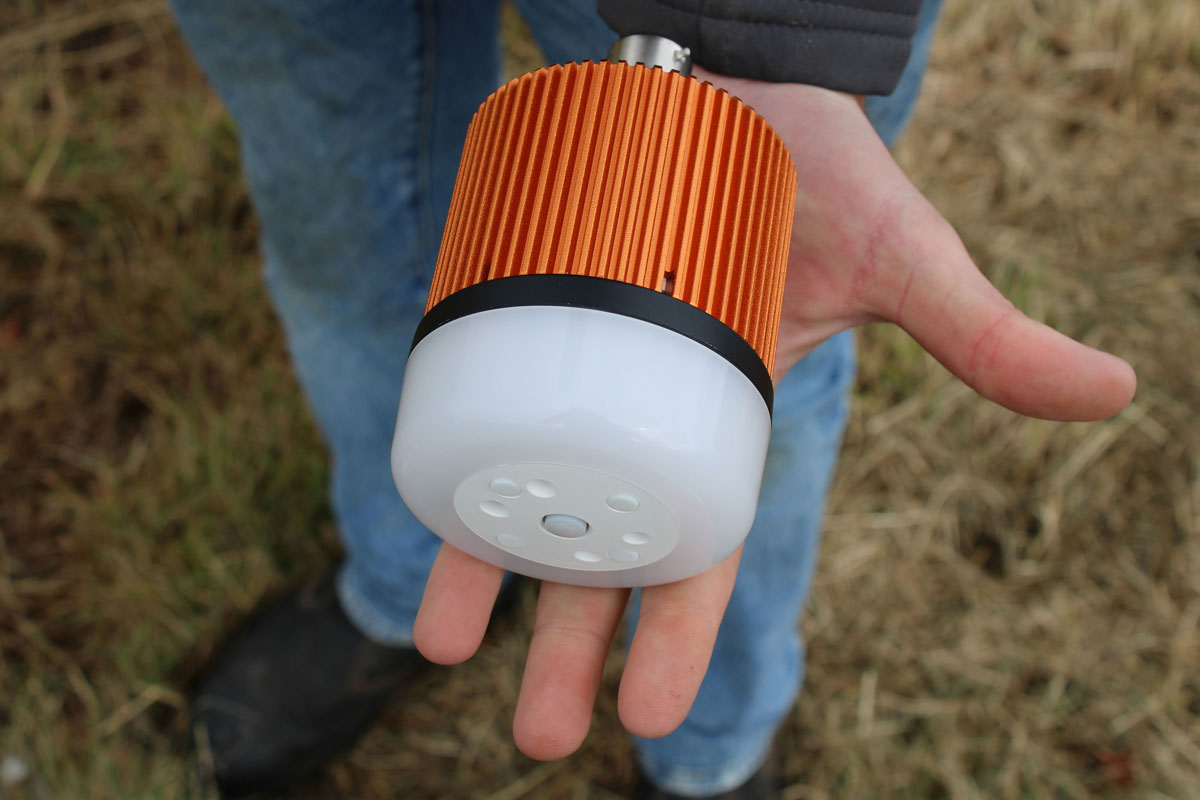
The technology has earned the nickname ‘Happy-o-Meter’ due to its focus on helping farmers better understand indicators of bird wellbeing.
“As a farmer, your job is to spot small changes before they become big problems, but you can’t be everywhere at once. What appealed to me about this project is the idea of having another set of ‘ears’ in the shed, picking up on things that might otherwise be missed.” “We’ve all been through a tough few years in egg production, from bird flu to rising costs, so any innovation must be genuinely practical and work in the real world. This trial isn’t about replacing our work – it’s about giving us better tools to support welfare and make confident decisions. If testing new approaches like this helps improve outcomes for hens and gives farmers more confidence in how they manage their flocks, then it’s worth being involved. Progress only happens if someone’s willing to try it on farm.”Noble Foods is clear that the project is not positioned as a finished solution or a single answer to welfare challenges, but as a learning-led trial designed to generate evidence, test assumptions and inform future thinking.By working alongside technology partners, farmers and Innovate UK, the company says it hopes the outcomes will help shape broader conversations around welfare monitoring, agri-tech adoption and transparency across the UK egg industry.Findings from the trial will be reviewed over the two-year period and shared with producers and industry stakeholders, helping identify where acoustic monitoring can add value and where further development is needed.