

ADAS Costings for White Eggs
Published on : 9 Jun 2026
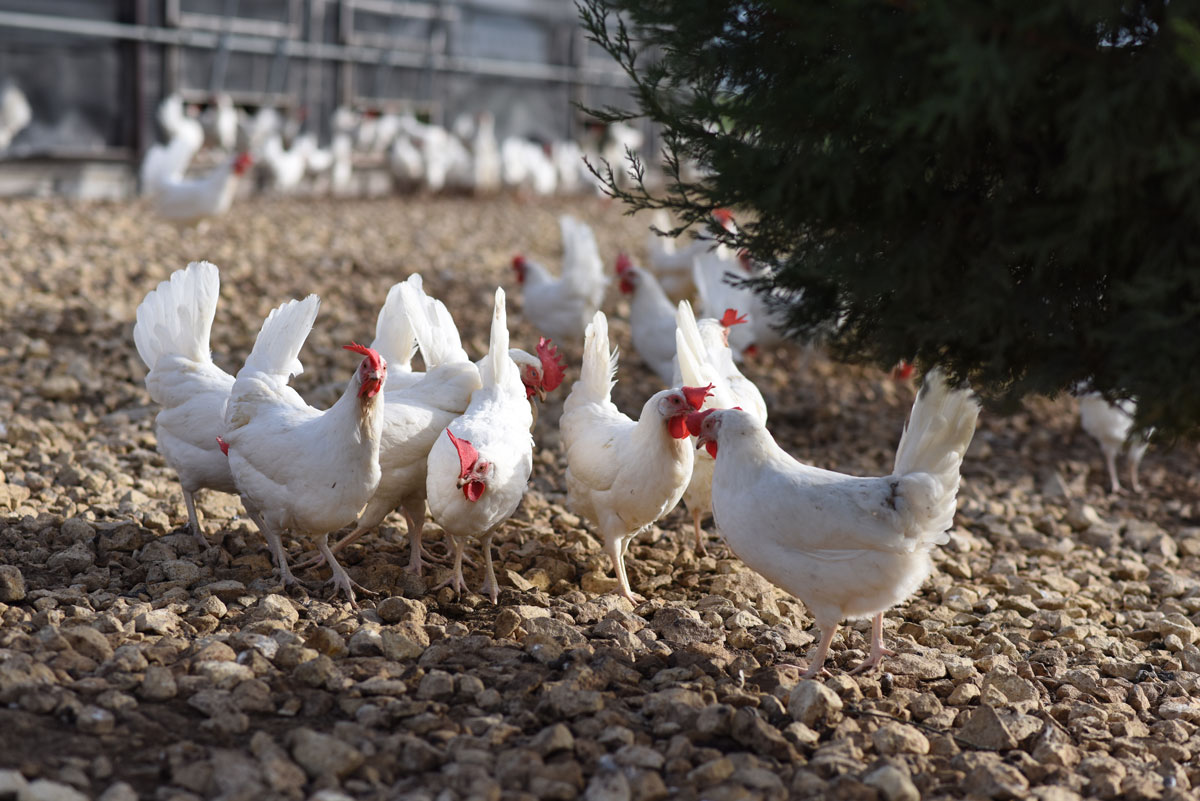
ADAS is recruiting a group of interested parties to help the development of white egg costings
As the white egg share of the free range market increases, there is more interest in understanding production costs and financial margins and how they compare with brown eggs. ADAS is currently reviewing the methodology used for brown eggs to see how best to make a clear and fair comparison between the two. There are a lot of different points to consider. White hens have a longer laying cycle than brown hens. This means that pullet and some other costs are spread over more eggs, so that production costs are lower on a ‘per dozen’ basis. Against that, the purchase price of a white pullet is higher than it is for brown. Differences in feed intake are also evident. For the brown egg cost of production calculation in the Ranger each month, published breed standard figures are used for feed and for egg numbers. The same approach is needed for white eggs to provide a clear comparison. The Dekalb White UK management guide for free range has recently been published and this provides one good source of current information. Whilst costs are important, the financial margin (returns minus costs) is a key indicator from a producer perspective. Calculating this requires the average selling price of the eggs (the packer to producer price), the value of end-of-lay hens and the percentage of seconds. At present, this is an area of uncertainty both for brown and white eggs given the new APHA egg quality guidance. It is important to compare costs and margins on an annual basis as well as ‘per dozen’ or ‘per bird’. This takes account of different output levels and different cycle lengths for brown and white and provides a good comparison for the enterprise as a whole. Providing a fair and comprehensive comparison of costs and margins between brown and white eggs is therefore not straight-forward. A plan of action is being developed and the key points of the process are set out below:• Performance and cost data for white eggs are being compiled by ADAS at present and the key financial comparisons needed are being finalised. Seconds levels will be monitored closely in the coming months. • ADAS is recruiting a group of interested parties to help the development of white egg costings. The remit of the group will be to provide information and feedback on the proposed metrics and how they are presented. In keeping with the brown and organic egg data already provided, the final figures will be determined by ADAS and not by BFREPA or industry. The intention is to complete the data gathering, analysis and feedback stages by the autumn of this year. Overall timescales will be determined by the need to ensure that comparisons between white and brown eggs can be presented accurately and in a way that helps future decision-making. For more information, please click here to email Jason Gittins at ADAS.