

AI may already be on your farm
Published on : 29 Dec 2021
Biosecurity warning
BEIC veterinary advisor Ian Lowery has provided the following warning and advice:
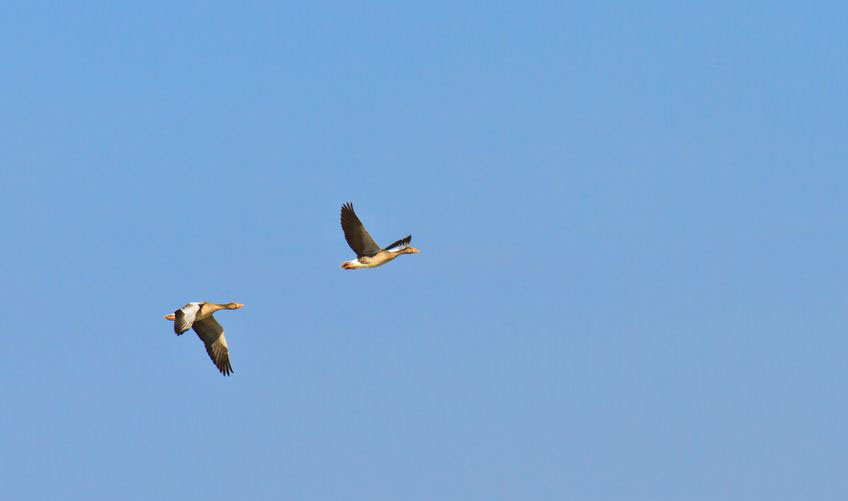
With a huge number of wild bird cases and the sky full of migrating waterfowl it would be safe to assume that the virus is already on your premises, on the roofs of poultry houses, on the range and on yards (whether muddy or concrete). THE VIRUS IS ON YOUR FARM(S) AND IS CONSTANTLY CHALLENGING YOUR BIOSECURITY. IT IS WAITING FOR A CHANCE TO INFECT YOUR FLOCK(S).
So, what should you do?
1. CONSIDER IN DETAIL about how your farm works – movements of vehicles (egg lorries, muck trailers, feed deliveries), equipment (maintenance tools, trailers) and staff (egg collectors, maintenance staff, muck haulage). Critically assess each of these activities and review whether there are robust procedures so that access to the site, the service area and the bird area is made as safe as possible.
2. WATCH your staff and contractors entering the site, moving around the site, and entering the house. Are they following your rules? Are wheel washers being used? Are vehicles clean? Do procedures need improving? Do staff need educating/reminding?
3. REMIND your staff – Explain the danger and the risk and explain the consequences of a failure of biosecurity - spend time to train and reinforce. Ensure that Everyone is aware of his/her responsibilities and are able to navigate the biosecurity barrier properly.
4. BARRIERS should prevent muck or dirt from the outside being moved inside and vice versa. Properly used, barriers require staff to remove outside shoes on the outside of the barrier and put on dedicated inside footwear on the other side of the barrier. Use of plastic overboots at barrier points is NOT recommended. Plastic overboots tear after a few steps and allow the muck from outside to be introduced into the bird environment.
5. DOUBLE BARRIERS are better than a single barrier. A step-over barrier at the entrance of the service area, with dedicated service area footwear (e.g. crocs/clogs) and a second step-over barrier at the entrance to the bird accommodation area (e.g. coloured wellies) will significantly reduce the chance of introduction of disease. Anyone caught wearing the wrong shoes in the wrong area should be instantly identifiable and reprimanded.
6. MAINTENANCE – Ensure the roof of the poultry house does not have holes, ensure that back doors are watertight and sealed, ensure guttering works, ensure that outside concrete aprons are kept washed and disinfected. The fabric of the building MUST prevent wild bird access and MUST not allow weather conditions to wash in an infectious viral cocktail.
7. MULTI-TIER systems – you are urged to take additional measures to control the risk of walking virus in from the muck cross-belt area, often located after the barrier biosecurity but before the entrance to the bird accommodation area at the front of the house. Additional footdips, or footwear changes, are strongly recommended in this area as the cross-muck belt can allow wild bird faeces to be introduced into this area. Management of regular muck collection and the additional vehicle movements associated with muck collection from multi-tier units also require additional controls.
Please, please, heed this warning. Do not be complacent. Act now to safeguard your business and the wider industry against further spread of this devastating disease.